
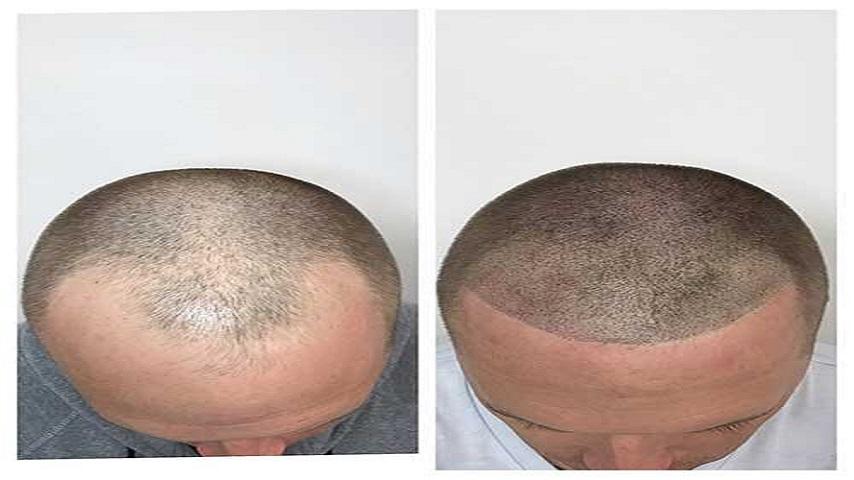
Emotional stress affects much more than your mental well-being—it can also have a noticeable impact on your physical health, including your hair. Many people are surprised to experience increased hair shedding after going through a stressful event such as work pressure, illness, financial difficulties, relationship problems, or major life changes. While stress-related hair loss is often temporary, ignoring it can lead to prolonged shedding and affect your confidence.
Understanding the connection between emotional stress and hair health is the first step toward managing excessive hair shedding effectively.
How Does Stress Affect Hair Growth?
Hair grows in a natural cycle consisting of three phases: growth (anagen), transition (catagen), and resting (telogen). Normally, most of your hair remains in the growth phase, while only a small percentage enters the resting phase.
When the body experiences significant emotional stress, this cycle can become disrupted. A larger number of hair follicles may prematurely enter the resting phase, causing increased hair shedding a few weeks or even months after the stressful event.
This condition is commonly known as telogen effluvium, a temporary form of hair loss that often improves once the underlying stress is managed.
Signs of Stress-Related Hair Shedding
Hair shedding caused by emotional stress often develops gradually. Common signs include:
- Increased hair fall while washing or brushing
- Hair strands on pillows, clothing, or the floor
- Noticeable reduction in hair volume
- Widening of the hair part
- Diffuse thinning across the scalp rather than bald patches
- Hair appearing weaker or less dense
Because the shedding is usually spread evenly across the scalp, it may not be immediately noticeable until overall hair density decreases.
Common Sources of Emotional Stress
Many life situations can trigger stress-related hair shedding, including:
- Heavy workload or workplace pressure
- Academic stress
- Relationship difficulties
- Financial concerns
- Loss of a loved one
- Major surgery or illness
- Childbirth
- Anxiety or depression
- Lack of quality sleep
Everyone responds differently to stress, which is why some individuals experience significant hair shedding while others may not.
How to Reduce Stress-Related Hair Shedding
- Manage Stress Effectively
Reducing emotional stress is one of the most important steps toward restoring healthy hair growth. Activities such as meditation, yoga, deep breathing exercises, regular physical activity, and spending time on hobbies can help lower stress levels.
- Prioritize Quality Sleep
Sleep plays a vital role in repairing the body and regulating hormones involved in hair growth. Aim for seven to nine hours of restful sleep each night to support both mental and physical health.
- Follow a Balanced Diet
Healthy hair requires adequate nutrition. Include foods rich in:
- Protein
- Iron
- Zinc
- Biotin
- Vitamin D
- Vitamin B12
- Omega-3 fatty acids
A nutrient-rich diet helps nourish hair follicles and supports recovery from stress-related hair loss.
- Take Care of Your Scalp
Maintaining good scalp hygiene promotes a healthy environment for hair growth. Use gentle shampoos suitable for your scalp type and avoid excessive product buildup that may contribute to scalp irritation.
- Avoid Aggressive Hair Treatments
Frequent coloring, bleaching, excessive heat styling, and tight hairstyles can further weaken already stressed hair. Gentle hair care practices help minimize breakage while new hair grows.
- Stay Physically Active
Regular exercise improves blood circulation, reduces stress hormones, and supports overall health. Better circulation also helps deliver oxygen and nutrients to the hair follicles.
How Long Does Stress-Related Hair Shedding Last?
In many cases, hair shedding begins two to three months after a stressful event. Once the source of stress is addressed, shedding usually decreases gradually over the following few months, and normal hair growth often resumes.
However, recovery varies depending on the individual's health, nutrition, stress levels, and any underlying medical conditions.
When Should You Seek Professional Help?
If excessive hair shedding continues for more than three to six months, becomes severe, or is accompanied by scalp discomfort or noticeable bald patches, it is important to consult a qualified trichologist or dermatologist. A professional evaluation can determine whether stress is the primary cause or if other conditions such as hormonal imbalance, nutritional deficiencies, thyroid disorders, or scalp diseases are contributing to the problem.
Early diagnosis ensures timely treatment and improves the chances of restoring healthy hair growth.
Conclusion
Yes, emotional stress can lead to excessive hair shedding by disrupting the normal hair growth cycle. Although stress-related hair loss is often temporary, taking proactive steps to manage stress, maintain a healthy lifestyle, nourish your body, and care for your scalp can significantly improve recovery. If hair shedding persists or worsens, seeking professional guidance can help identify the underlying cause and provide the right treatment plan for healthier, stronger hair.