
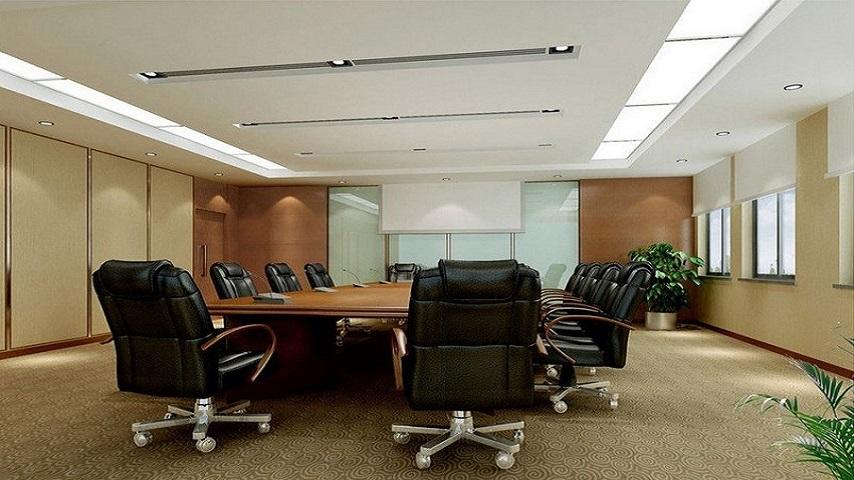
Renovating or setting up a commercial space is a significant investment that requires careful planning and execution. Whether you're developing a new office, retail store, restaurant, healthcare facility, or educational institution, choosing the right project delivery method can make a substantial difference in cost, quality, and timelines.
A turnkey project is often preferred because it offers complete project management under one contract. However, before selecting a turnkey solution, businesses should evaluate several important factors to ensure the project aligns with their goals, budget, and operational requirements.
Understand Your Business Requirements
Before approaching a turnkey contractor, clearly define what your business needs from the commercial space.
Consider questions such as:
- What is the primary purpose of the space?
- How many employees or customers will use it?
- What departments or functions need dedicated areas?
- Are there future expansion plans?
- What design style best represents your brand?
A clear understanding of your objectives helps create a functional and efficient workspace.
Evaluate the Contractor's Experience
Not all turnkey contractors have expertise across every industry. Choose a company with experience handling projects similar to yours.
Review their:
- Completed commercial projects
- Industry expertise
- Portfolio of previous work
- Client testimonials
- Years of experience
An experienced contractor is better equipped to manage challenges and deliver high-quality results.
Assess Design Capabilities
A successful commercial project combines functionality with aesthetics. Ensure the contractor has a strong in-house design team or works closely with professional architects and interior designers.
Look for expertise in:
- Space planning
- Interior design
- Lighting concepts
- Furniture layouts
- Material selection
- Brand-focused design
A well-designed commercial space enhances productivity, customer experience, and overall business image.
Review the Scope of Services
Different turnkey providers may offer different levels of service. Confirm exactly what is included before signing the agreement.
Typical services should cover:
- Site inspection
- Design and planning
- Civil work
- Electrical installations
- Plumbing systems
- HVAC installation
- False ceilings
- Flooring
- Furniture installation
- Painting and finishing
- Final project handover
A comprehensive service package reduces the need for additional contractors.
Set a Realistic Budget
Budget planning is one of the most important steps before starting any commercial project.
Businesses should account for:
- Construction costs
- Interior fit-outs
- Furniture
- Equipment
- Technology infrastructure
- Contingency funds
Request a detailed cost breakdown to understand where your investment is being allocated and to avoid unexpected expenses later.
Check Project Timeline
Delays can disrupt daily operations and increase overall costs.
Before choosing a contractor, discuss:
- Estimated completion date
- Project milestones
- Material procurement schedules
- Installation timelines
- Potential risks and contingency plans
A realistic and well-structured timeline helps businesses plan their operations effectively.
Verify Material Quality
The quality of materials directly affects the durability, appearance, and maintenance requirements of a commercial space.
Discuss the specifications for:
- Flooring materials
- Ceiling systems
- Wall finishes
- Furniture
- Lighting fixtures
- Glass partitions
- Hardware and accessories
Using high-quality materials may have a higher upfront cost but often reduces long-term maintenance expenses.
Ensure Regulatory Compliance
Commercial spaces must comply with local building codes and safety regulations.
Confirm that the turnkey contractor understands requirements related to:
- Fire safety systems
- Electrical standards
- Accessibility regulations
- HVAC compliance
- Structural safety
- Emergency exits
Proper compliance helps avoid legal issues and ensures a safe environment for employees and visitors.
Evaluate Communication and Project Management
Clear communication is essential throughout the project.
Choose a contractor who provides:
- Dedicated project managers
- Regular progress reports
- Transparent budgeting
- Scheduled review meetings
- Quick response to queries
Strong project management ensures smooth coordination between all teams involved.
Consider Future Business Growth
Your commercial space should support future expansion without requiring major renovations.
Flexible design features may include:
- Modular workstations
- Expandable meeting rooms
- Adaptable storage systems
- Scalable electrical infrastructure
- Flexible seating arrangements
Planning for growth today can save significant costs in the future.
Review Technology Integration
Modern commercial spaces rely heavily on technology.
Discuss requirements such as:
- High-speed network infrastructure
- Smart lighting systems
- Access control systems
- Security cameras
- Conference room technology
- Digital signage
Integrating technology during construction is often more efficient than adding it later.
Ask About Post-Project Support
A reliable turnkey contractor should continue supporting the project even after handover.
Post-completion services may include:
- Maintenance assistance
- Warranty support
- Minor repairs
- Equipment servicing
- System inspections
Ongoing support helps resolve issues quickly and protects your investment.
Compare Multiple Contractors
Before making a final decision, compare several turnkey providers.
Evaluate them based on:
- Experience
- Pricing
- Quality standards
- Timeline commitments
- Design expertise
- Customer reviews
- Service offerings
Selecting the right partner is often more valuable than simply choosing the lowest quote.
Understand Contract Terms
Carefully review every part of the agreement before signing.
Pay attention to:
- Project scope
- Payment schedule
- Change order process
- Completion deadlines
- Warranty terms
- Liability clauses
- Dispute resolution procedures
A detailed contract protects both the client and the contractor throughout the project.
Conclusion
Choosing a turnkey project for a commercial space involves much more than selecting a contractor. Businesses should carefully evaluate project scope, design capabilities, budget, material quality, timelines, compliance, technology integration, and long-term support before making a decision.
By partnering with an experienced turnkey project provider and planning every aspect in advance, businesses can create functional, attractive, and future-ready commercial spaces while minimizing risks, controlling costs, and ensuring a smooth project execution from concept to completion.
How Architects Transform Ordinary Spaces with Innovative Cafeteria Design Concepts
What Should You Know Before Planning a Modern Cafeteria Design?