
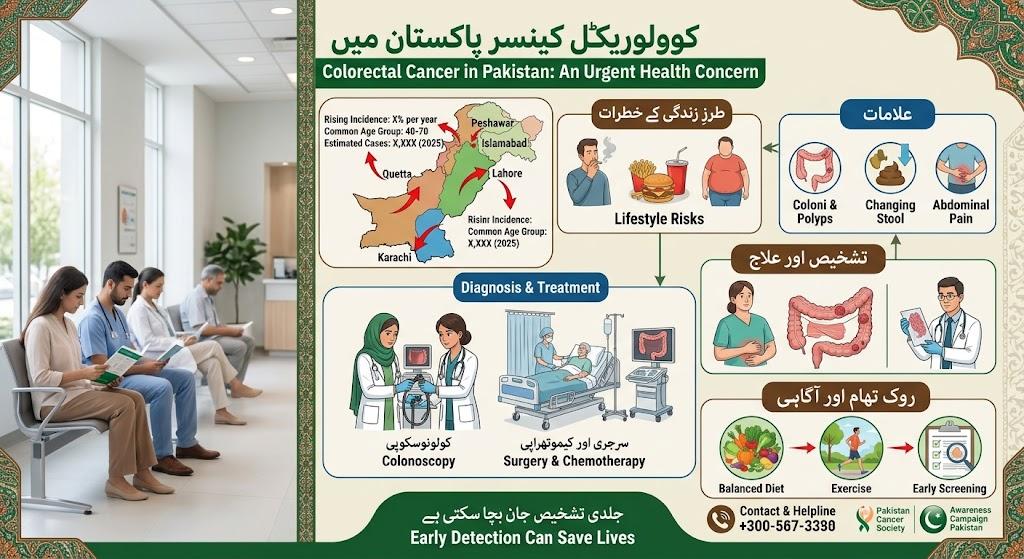
Colorectal cancer is a serious health condition that develops in the colon or rectum, which are parts of the digestive system. Although it can affect people of different ages, the risk generally increases with age. In Pakistan, greater awareness of warning signs, screening, and prevention can help people seek medical care earlier and improve treatment outcomes.
What Is Colorectal Cancer?
Colorectal cancer occurs when abnormal cells in the colon or rectum begin to grow uncontrollably. In many cases, it starts as a small growth called a polyp. Some polyps can gradually become cancerous. Detecting and removing certain polyps during screening can help prevent colorectal cancer from developing.
Colorectal Cancer in Pakistan
Colorectal cancer is an important health concern in Pakistan. Lack of awareness, delayed medical consultations, limited screening, and ignoring early digestive symptoms can contribute to later diagnosis. People may mistake persistent bowel changes for common digestive problems. Understanding risk factors and recognizing unusual symptoms can encourage timely medical evaluation and appropriate testing.
Common Warning Signs of Colorectal Cancer
The symptoms of colorectal cancer can vary depending on the location and size of the tumour. Early disease may sometimes cause few or no noticeable symptoms. However, persistent blood in the stool, unexplained bowel changes, abdominal discomfort, fatigue, weight loss, or a feeling that the bowel has not emptied completely should be medically evaluated.
Blood in the Stool
Blood in or on the stool is one warning sign that should not be ignored. It may appear bright red or make the stool look unusually dark. Many non-cancerous conditions, including haemorrhoids, can also cause bleeding. However, repeated or unexplained rectal bleeding requires proper medical assessment to determine its cause.
Changes in Bowel Habits
Persistent constipation, diarrhoea, narrower stools, or a noticeable change in how often you pass stool may require medical attention. Temporary bowel changes are common and can occur because of diet, infections, or stress. Changes that continue for several weeks, especially with other symptoms, should be discussed with a doctor.
Unexplained Weight Loss
Losing weight without deliberately changing your diet or physical activity can sometimes be associated with serious medical conditions, including colorectal cancer. Cancer may affect appetite, digestion, and the body's use of energy. Unexplained weight loss accompanied by weakness, bowel changes, abdominal pain, or bleeding should be assessed by a healthcare professional.
Abdominal Pain and Bloating
Persistent abdominal cramps, discomfort, bloating, or excessive gas can occur for many reasons. In some cases, a colorectal tumour can affect normal bowel function and contribute to discomfort or obstruction. Severe abdominal pain, vomiting, significant swelling, or an inability to pass stool or gas may require urgent medical attention.
Fatigue and Weakness
Long-term bleeding from the digestive tract can contribute to iron-deficiency anaemia. A person may experience tiredness, weakness, dizziness, shortness of breath, or pale skin. Because fatigue is common in many conditions, it is important to identify the underlying cause, particularly when it occurs alongside bowel changes or gastrointestinal bleeding.
Risk Factors for Colorectal Cancer
Several factors may increase a person's likelihood of developing colorectal cancer. These include increasing age, family history, certain inherited genetic conditions, inflammatory bowel diseases, smoking, excessive alcohol consumption, obesity, physical inactivity, and dietary patterns high in processed or red meat. Having risk factors does not mean someone will definitely develop cancer.
Family History and Genetics
People with a parent, sibling, or child who has had colorectal cancer may have an increased risk, particularly when the relative was diagnosed at a younger age. Certain inherited conditions can also significantly increase risk. People with a strong family history should discuss whether earlier or more frequent screening is appropriate.
How Is Colorectal Cancer Diagnosed?
Diagnosis usually begins with a discussion of symptoms, medical history, family history, and a physical examination. Depending on the findings, doctors may recommend blood tests, stool tests, colonoscopy, imaging, or other investigations. A definite cancer diagnosis generally requires examination of a tissue sample collected during a biopsy.
Colonoscopy
Colonoscopy allows a doctor to examine the inside of the colon and rectum using a flexible tube equipped with a camera. During the procedure, suspicious growths or polyps can be identified. Some polyps can be removed immediately, while tissue samples can be collected and sent to a laboratory for further examination.
Biopsy and Laboratory Testing
If an abnormal area is found during colonoscopy, a small tissue sample may be removed for laboratory examination. A pathologist studies the cells to determine whether cancer is present. Further testing of tumour tissue may sometimes be performed because specific biological or genetic characteristics can influence treatment decisions.
Imaging Tests
If colorectal cancer is diagnosed, imaging tests such as CT or MRI scans may be used to determine its location and whether it has spread to nearby tissues or other organs. This process, known as staging, helps doctors understand the extent of the disease and develop an appropriate treatment plan.
Treatment Options for Colorectal Cancer
Treatment depends on where the cancer is located, its stage, tumour characteristics, and the patient's overall health. Surgery is commonly used for localized colorectal cancer. Chemotherapy, radiation therapy, targeted medicines, or immunotherapy may also be recommended in selected cases. Treatment plans are individualized after specialist assessment and diagnostic testing.
Surgery
Surgery may involve removing the cancerous section of the colon or rectum along with nearby lymph nodes. The remaining healthy sections of the bowel may then be reconnected. The exact operation depends on the tumour's location and extent. Some early cancers or precancerous polyps can be removed during colonoscopy.
Chemotherapy and Radiation Therapy
Chemotherapy uses medicines to destroy cancer cells or limit their growth. It may be given before or after surgery or for cancer that has spread. Radiation therapy is used more commonly for rectal cancer than colon cancer and may help shrink a tumour before surgery or reduce the risk of recurrence.
How to Prevent Colorectal Cancer
Not every case of colorectal cancer can be prevented, but healthy lifestyle choices and appropriate screening can reduce risk. Staying physically active, maintaining a healthy weight, avoiding tobacco, limiting alcohol, and eating a balanced diet rich in vegetables, fruits, whole grains, and fibre can support overall digestive and general health.
Importance of Screening
Screening can identify colorectal cancer before symptoms appear and may also detect precancerous polyps that can be removed. The appropriate screening age and method depend on individual risk, family history, medical history, and local medical guidance. People at increased risk may need screening earlier than average-risk individuals.
When Should You See a Doctor?
Seek medical advice if you experience persistent blood in the stool, unexplained changes in bowel habits, ongoing abdominal discomfort, unexplained weight loss, or unusual fatigue. These symptoms do not automatically mean colorectal cancer, but they deserve evaluation. Severe bleeding, intense abdominal pain, vomiting, or signs of bowel obstruction require urgent care.
Book an Online Appointment With the Best Urologist via InstaCare
If you have persistent health concerns or urinary symptoms alongside abdominal or pelvic problems, you can use InstaCare to book an online appointment with a qualified urologist. For suspected colorectal cancer or persistent bowel symptoms, however, consultation with an appropriate gastrointestinal or colorectal specialist is important. Early professional assessment can help identify the underlying problem and guide further testing.
Conclusion
Colorectal cancer can become serious when it is diagnosed late, making awareness and timely medical care particularly important. Persistent bowel changes, blood in the stool, abdominal discomfort, unexplained weight loss, and fatigue should not be ignored. Screening, healthy lifestyle choices, and early evaluation of concerning symptoms can support earlier detection and better management.
FAQs
- What are the early warning signs of colorectal cancer?
Possible warning signs include blood in the stool, persistent changes in bowel habits, abdominal discomfort, unexplained weight loss, fatigue, and iron-deficiency anaemia. Some people with early colorectal cancer may have no noticeable symptoms.
- At what age should colorectal cancer screening begin?
The appropriate starting age depends on individual risk and medical guidance. People with a family history, inherited conditions, or certain bowel diseases may need earlier screening. A doctor can recommend a suitable screening schedule based on personal risk factors.
- Can colorectal cancer be prevented?
Not every case is preventable. However, screening can detect and remove some precancerous polyps, while maintaining a healthy weight, exercising regularly, avoiding tobacco, limiting alcohol, and following a nutritious diet may help reduce risk.
- Is blood in the stool always a sign of colorectal cancer?
No. Blood in the stool can occur because of haemorrhoids, anal fissures, infections, inflammatory bowel disease, and other conditions. However, persistent or unexplained bleeding should always be evaluated by a healthcare professional.
- Is colorectal cancer treatable if detected early?
Yes. Colorectal cancer detected at an early, localized stage generally has more treatment options than advanced disease. Treatment may include surgery and, depending on the stage and tumour characteristics, chemotherapy, radiation therapy, targeted treatment, or immunotherapy.