
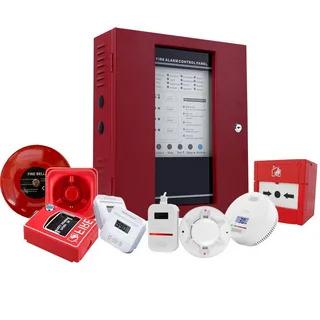
A security alarm is only useful when it matches the property it is protecting. A small house, a ground-floor apartment, a retail shop, an office, and a warehouse can have very different security risks. Choosing an alarm simply because it has many features can therefore lead to unnecessary equipment, poor sensor placement, or gaps in coverage.
For people considering Security Alarm Systems in Lahore, the better approach is to start with the property and its vulnerabilities. The right system should detect an unwanted entry, alert the appropriate people, and remain practical to operate every day.
Start With the Property, Not the Alarm
Before comparing alarm panels or sensors, identify where an intruder could realistically enter.
For a typical property, consider:
- Main entrance and secondary doors
- Ground-floor windows
- Garage or service entrances
- Balcony or rooftop access
- Back alleys or less-visible entrances
- Areas containing valuable equipment or stock
- Internal spaces that should remain restricted
This assessment helps determine how many sensors are actually required.
A property with several accessible doors may need more perimeter protection than a compact apartment. Similarly, a business with a large open area may benefit from carefully positioned motion detection, while a home with pets may require additional attention to how motion sensors are selected and installed.
The Main Components of an Alarm System
Most security alarm setups combine several components rather than relying on one device.
Door and Window Sensors
These sensors are commonly installed on doors and windows that need protection. When the protected opening is opened while the system is armed, the sensor can trigger the alarm.
They are particularly useful for accessible entry points because they detect the opening itself rather than relying on movement inside the room.
Motion Sensors
Motion detectors monitor movement within a protected area. They can provide an additional layer of protection if someone gets through an entrance without triggering or avoiding a perimeter sensor.
Placement matters. A motion sensor should cover an appropriate area without being unnecessarily exposed to sources of false alarms.
Alarm Siren
A siren provides an audible warning when an alarm condition occurs. Besides alerting people nearby, its sound can make an intruder aware that the security system has detected an event.
Outdoor and indoor sirens may serve different purposes, depending on the installation.
Control Panel
The control panel acts as the central part of many alarm systems. Sensors communicate with it, and the panel manages arming, disarming, and alarm events according to the system's configuration.
For a larger property, the panel's capacity and compatibility with the required sensors should be checked before installation.
Keypad or User Interface
A keypad allows authorized users to operate the alarm. Depending on the system, users may be able to enter a code, arm or disarm specific areas, or review system status.
For homes and workplaces, the interface should be straightforward enough that regular users can operate it correctly.
Wired vs. Wireless: Which Approach Fits?
One of the practical decisions is whether to use wired, wireless, or a combination of technologies.
Wired systems can be suitable when cabling can be installed neatly during construction or renovation. They can also make sense for larger permanent installations where reliable cabling infrastructure is practical.
Wireless systems can simplify installation where running cables through walls would be difficult. They may be particularly convenient for completed homes, offices, or rented premises.
However, wireless equipment depends on batteries and radio communication, so battery maintenance and the installation environment should be considered.
A hybrid arrangement can sometimes provide a practical middle ground.
Rather than assuming one technology is universally better, assess the building, installation conditions, future changes, and maintenance requirements first.
Consider Power and Connectivity
A security alarm should be considered as part of a property's overall security arrangement, not as an isolated electronic device.
Power availability is important because an alarm system needs an appropriate power arrangement to remain operational. Systems with backup power can continue operating during a mains power interruption, depending on their design and battery condition.
Connectivity is another consideration. Some systems can send alerts through a connected communication service, while others may primarily rely on a local siren or keypad.
When evaluating a system, ask exactly how an alarm event is communicated. A phone notification, audible siren, monitoring service, or another alert method may involve different equipment and ongoing requirements.
Lahore-Specific Installation Considerations
The local environment can influence how an alarm system should be installed and maintained.
Lahore properties range from apartment buildings and houses in residential areas to offices, shops, educational facilities, and industrial spaces. Security requirements can therefore vary considerably even between properties in the same city.
Building design is especially important. Older properties may have different cable-routing possibilities from newly constructed buildings. Large commercial premises may also require zoning so that different sections can be armed or monitored separately.
Environmental conditions should also be considered when selecting equipment for exposed locations. Devices installed outdoors need to be appropriate for their intended environment rather than simply using indoor equipment outside.
Don't Ignore False Alarms
An alarm that repeatedly produces false alerts can become difficult for occupants to trust.
False alarms may result from inappropriate sensor placement, unsuitable detection equipment, incorrect configuration, user errors, or environmental factors. The exact cause depends on the equipment and installation.
A good installation therefore involves more than attaching sensors to walls. Sensor positioning, detection zones, entry and exit arrangements, and user instructions should all be considered.
After installation, users should know:
- How to arm the system
- How to disarm it correctly
- What happens when an alarm is triggered
- How to respond to an accidental alarm
- How to identify low-battery or fault indications
- Who is authorized to access the system
A Simple Selection Checklist
Before choosing an alarm system, work through these questions:
- What property am I protecting? Home, shop, office, warehouse, or another type?
- Which entry points are most vulnerable?
- Do I need perimeter detection, internal motion detection, or both?
- Would wired installation be practical?
- Would wireless installation make future changes easier?
- What happens during a power outage?
- How are alarm events communicated?
- How many people need authorized access?
- Will pets, employees, customers, or visitors affect sensor placement?
- How will the system be tested and maintained?
These questions can narrow down the appropriate system much more effectively than simply comparing the number of features listed on a product specification sheet.
Installation Is Part of the Security System
Even suitable equipment can perform poorly when installed incorrectly.
Sensor positioning affects what an alarm can detect. Entry delays need to be practical for authorized users. The system should also be tested after installation so that doors, windows, motion zones, sirens, and other components behave as intended.
Users should receive basic operating instructions as well. A technically capable alarm system is less useful if residents or staff regularly leave it disarmed because they find it difficult to operate.
For larger properties, it is also worth documenting which areas each sensor or zone protects. This can make troubleshooting and future maintenance easier.
Maintenance Should Not Be an Afterthought
Alarm systems contain electronic and, in some cases, battery-powered components. Regular checks can help identify problems before the system is needed.
Maintenance can include:
- Testing sensors and alarm functions
- Checking battery condition where applicable
- Reviewing system fault indicators
- Inspecting visible wiring and connections
- Confirming that users remember their operating procedures
- Checking that changes to the property have not created new unprotected entry points
If a room is renovated, a new entrance is created, or the use of an area changes, the alarm layout may need to be reviewed as well.
Frequently Asked Questions
Are security alarms useful without CCTV?
Yes. An alarm and CCTV serve different purposes. An alarm is primarily intended to detect and alert, while CCTV can provide visual information about activity. They can also be used together as part of a broader security arrangement.
Should every door and window have a sensor?
Not necessarily. Coverage should be based on the property's layout and realistic entry risks. Accessible or vulnerable openings may receive greater priority than areas that are already difficult to access.
Are wireless alarm systems reliable?
Wireless systems can be practical when properly selected and installed. Their batteries and wireless communication should be considered as part of ongoing maintenance.
How often should an alarm system be checked?
The appropriate schedule depends on the equipment, installation, and manufacturer's recommendations. Users should also test the system whenever there is a relevant change to the property or when a fault indication appears.
Can one alarm system protect both a home and a business?
The equipment required depends on the property and its security requirements. A small residential system and a larger commercial installation may have substantially different zoning, user-management, sensor, and communication needs.
Final Thoughts
Choosing Security Alarm Systems in Lahore should begin with a security assessment rather than a shopping list of features. Identify vulnerable entrances, determine which areas require detection, consider wired and wireless installation requirements, and think about power, communication, operation, and maintenance.
The objective is not to install the most complicated system. It is to create a setup that provides appropriate detection for the property, can be operated correctly by authorized users, and can be maintained over time.