
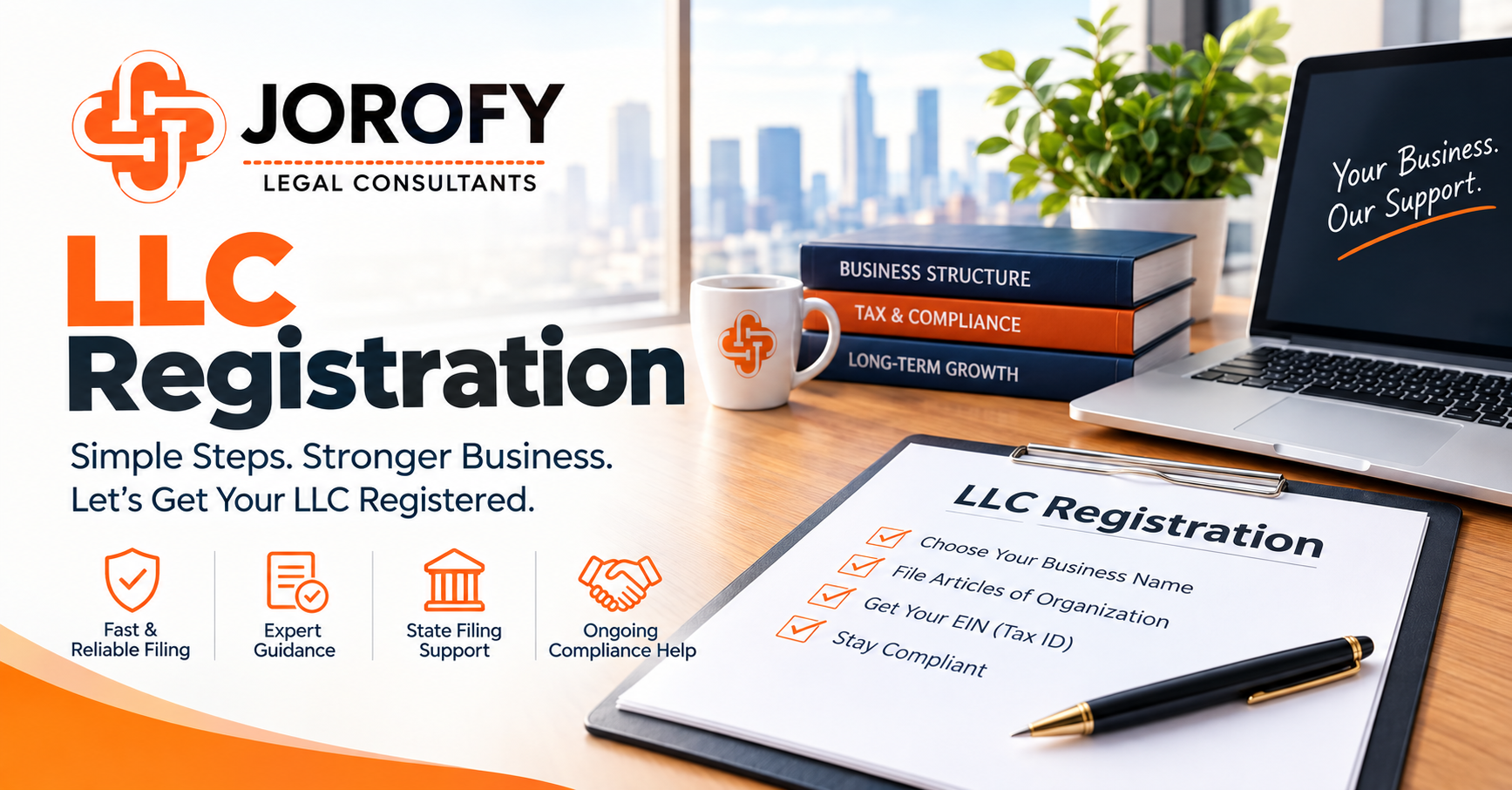
Starting a business is an exciting step, but choosing the right business structure can make a major difference in how your company operates. For many entrepreneurs, forming a Limited Liability Company, commonly known as an LLC, is a practical way to establish a business while separating personal and business responsibilities.
The LLC registration process involves several important steps, including choosing a business name, selecting a state, appointing a registered agent, filing formation documents, and handling ongoing compliance requirements. While the process is manageable, missing an important detail can lead to delays, additional costs, or compliance problems.
This guide explains how to register an LLC step by step and what you should consider before submitting your formation documents. If you want professional assistance, LLC formation services can also help simplify the process and make sure the basic formation requirements are handled correctly.
Choose the Right State for Your LLC
The first step in LLC registration is deciding where your company should be formed. In many cases, business owners form an LLC in the state where they actually operate. However, the right choice can depend on your business activities, ownership structure, location, and long-term plans.
Each state has its own filing requirements, fees, taxes, and reporting rules. Some states may have lower formation costs, while others may offer specific advantages for particular types of businesses.
If you operate your business from a specific state, forming the LLC there may be the most straightforward option. Creating an LLC in another state does not necessarily eliminate your obligations in the state where you actually conduct business. You may still need to register as a foreign LLC and meet additional requirements.
Before choosing a state, consider:
- State filing fees
- Annual or recurring reporting requirements
- State taxes
- Registered agent requirements
- Where the business will actually operate
- Whether you expect to expand into other states
Taking time to evaluate these factors can help you avoid unnecessary administrative work later.
Select and Check Your LLC Business Name
Your business name is another important part of the LLC registration process. The name generally needs to meet your state's requirements and be distinguishable from existing registered business names.
Most states provide an online business name database where you can check whether your preferred name is available.
For example, if you want to form a company called "ABC Consulting LLC," you should search your state's business records before filing. If another company already has a substantially similar name, you may need to choose a different name.
Your business name should also reflect your brand and be easy for customers to remember.
Before settling on a name, consider checking:
- State business name availability
- Domain name availability
- Social media availability
- Federal trademark records
- Whether the name contains restricted words
A state approving your LLC name does not automatically mean you have trademark rights to that name. A separate trademark search can help identify potential conflicts before you invest heavily in branding.
Appoint a Registered Agent
A registered agent is an individual or business responsible for receiving certain official documents and legal notices on behalf of your LLC.
Every state has its own rules regarding who can serve as a registered agent. Generally, the registered agent must meet the state's requirements and maintain a physical address in the state where the LLC is registered.
You may be able to act as your own registered agent if you meet the requirements. However, some business owners prefer to use a professional registered agent service.
Using a registered agent service can provide additional privacy and convenience. It can also help ensure that important state correspondence is received during normal business hours.
When selecting a registered agent, consider:
- Availability during required business hours
- Physical address requirements
- Privacy
- Document handling
- Service fees
- Reliability
Choosing the right registered agent is a small step, but it can help keep your LLC's official records organized.
File Your LLC Formation Documents
Once your business name and registered agent are ready, you can submit the documents required to officially create your LLC.
The document is commonly called the Articles of Organization, although the name can vary depending on the state. It typically includes basic information about the company, such as:
- LLC name
- Business address
- Registered agent information
- Management structure
- Organizer information
- Other information required by the state
You will generally need to pay a state filing fee when submitting the formation document. The amount varies by state.
After the state accepts your filing, your LLC becomes officially formed under that state's law.
This is one of the most important parts of LLC registration, so accuracy matters. Errors in the company name, registered agent information, or other required details can cause processing problems.
Business owners who are unfamiliar with state filing procedures may choose to work with LLC formation services. These services can help prepare and submit formation paperwork and may provide additional business setup support.
Complete the Important Steps After Formation
Forming the LLC is not the end of the process. After your state approves the company, there are several additional steps you may need to complete before your business is fully ready to operate.
Get an EIN
An Employer Identification Number, or EIN, is a federal tax identification number issued by the IRS. Many LLCs need an EIN for purposes such as hiring employees, opening a business bank account, or handling certain tax matters.
The specific requirements can depend on how the LLC is structured and taxed.
Open a Business Bank Account
Keeping business and personal finances separate is an important part of maintaining good business records.
A dedicated business bank account can make it easier to track income, expenses, payments, and other financial activity.
You will typically need documents such as your LLC formation records and EIN information when applying for a business bank account.
Create an Operating Agreement
An operating agreement explains how the LLC will be managed and how important business decisions will be handled.
Depending on the state and circumstances, it may not always be required to file an operating agreement with the state. However, having one can help establish clear expectations among members.
An operating agreement may address:
- Ownership percentages
- Member responsibilities
- Voting procedures
- Profit and loss distribution
- Management responsibilities
- Procedures for adding or removing members
- What happens if the business closes
Check Licenses and Permits
An LLC registration does not automatically give you every license or permit required to operate a business.
Your requirements may depend on your industry, business location, and activities. Check federal, state, county, and local requirements that apply to your company.
Stay Current With State Requirements
After formation, your LLC may have ongoing obligations such as annual reports, state taxes, franchise taxes, or other filings.
Keep track of important deadlines so your company remains in good standing.
Why Consider Professional LLC Formation Services?
Some entrepreneurs prefer to handle LLC registration themselves, while others want help with the administrative process.
DIY formation can work for a straightforward business owner who understands the filing requirements. However, it can become more complicated when the business has multiple owners, operates across states, has international owners, or has other unusual circumstances.
LLC formation services can help with common administrative tasks such as preparing formation documents, submitting filings, and providing registered agent services.
Professional assistance can be particularly useful when you want to reduce paperwork and avoid common filing mistakes.
However, formation services do not replace legal or tax advice when your situation requires professional guidance. If your ownership, tax, or business structure is complicated, consider speaking with a qualified attorney or tax professional.
Common Mistakes to Avoid During LLC Registration
A few simple mistakes can create unnecessary problems during the formation process.
One common mistake is choosing a business name without checking state records or potential trademark conflicts. Another is assuming that forming an LLC automatically takes care of taxes, licenses, and permits.
Other issues include:
- Using inaccurate filing information
- Forgetting annual reports
- Mixing personal and business finances
- Failing to obtain required licenses
- Ignoring tax registration requirements
- Assuming one state's rules apply everywhere
- Missing important compliance deadlines
Creating a basic checklist before you begin can help you stay organized.
Conclusion
LLC registration is an important step for entrepreneurs who want to establish a formal business structure. From selecting a suitable state and business name to filing formation documents and handling post-formation requirements, each step deserves careful attention.
For a simple business, you may be able to complete the process yourself. If you want help managing the paperwork and formation requirements, LLC formation services can make the process more convenient and organized.
The key is to look beyond the initial filing. A properly formed LLC also requires ongoing attention to taxes, licenses, reports, banking, and other compliance responsibilities.
If you are ready to establish your business, start by reviewing your state's requirements and creating a clear formation checklist. Taking the time to set up your LLC correctly can give your business a stronger foundation for future growth.
FAQs About LLC Registration
1. What is LLC registration?
LLC registration is the process of officially creating a Limited Liability Company with a state government. The process generally involves choosing a business name, appointing a registered agent, filing formation documents, and paying the required state fee.
2. How long does LLC registration take?
Processing times vary by state. Some states may process filings quickly, while others can take longer. Expedited filing options may also be available in certain states for an additional fee.
3. How much does it cost to register an LLC?
The cost depends on the state where you form your LLC. States charge different filing fees, and some also have ongoing annual or recurring fees. Additional costs may apply if you use registered agent or LLC formation services.
4. Do I need a registered agent for an LLC?
Generally, LLCs are required to maintain a registered agent in the state where they are formed. The registered agent receives official documents and certain legal notices on behalf of the business.
5. Do I need an EIN for my LLC?
Many LLCs need an EIN for federal tax and business purposes. For example, an EIN may be needed when hiring employees or opening a business bank account. The exact requirement depends on your LLC's circumstances and tax treatment.
6. Can I register an LLC myself?
Yes. Many entrepreneurs can complete the basic LLC formation process themselves by following their state's filing requirements. However, businesses with more complicated ownership, tax, or multi-state situations may benefit from professional assistance.
7. Are LLC formation services worth considering?
LLC formation services can simplify administrative tasks such as preparing and submitting formation paperwork. They may be useful if you want help with the filing process or additional services such as registered agent support. Compare the services and fees carefully before choosing a provider.
8. What should I do after registering my LLC?
After registration, you may need to obtain an EIN, open a business bank account, create an operating agreement, obtain applicable licenses and permits, and comply with state tax and reporting requirements. The exact steps depend on your business and location.