
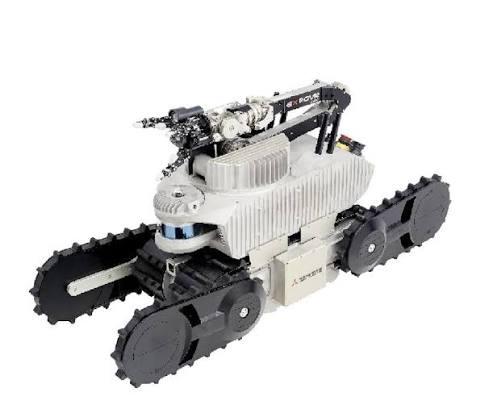
An ATEX Robot is a robotic system designed for use in environments where potentially explosive atmospheres may be present. In the UK, such environments can occur in industries that handle flammable gases, vapours, liquids, dust, or other combustible materials. An ATEX Robot is developed with safety considerations that help reduce the risk of ignition when operating in these controlled areas. These robotic systems can support activities such as inspection, monitoring, handling, and other industrial operations where human access may involve additional hazards. Their design can involve suitable protection methods, electrical components, mechanical construction, and operating controls intended for hazardous locations. Understanding an ATEX Robot requires attention to the classification of the working environment, equipment requirements, and the conditions under which the robot will operate. Proper assessment helps determine whether a robotic system is suitable for a particular hazardous area and application.
What Is an ATEX Robot?
An ATEX Robot is a robotic machine intended for operation in environments where explosive atmospheres may occur. The term ATEX relates to European requirements concerning equipment and protective systems intended for use in potentially explosive atmospheres.
An explosive atmosphere can develop when flammable gases, vapours, mists, or combustible dust become mixed with air under conditions where ignition could result in combustion. Certain industrial workplaces therefore require carefully selected equipment.
An ATEX Robot incorporates design considerations intended to address these risks. Depending on its construction and intended application, the robot may include protected electrical components, suitable mechanical materials, controlled surface temperatures, and other safety-related features.
Why ATEX Robots Are Used
Industrial facilities may contain areas where routine activities expose workers to potentially hazardous conditions. Robotic systems can perform selected tasks in locations where direct human access needs to be limited or carefully managed.
An ATEX Robot may be considered for applications such as inspection, material handling, monitoring, remote observation, or maintenance-related activities. The exact role depends on the robot's technical configuration and the classification of the environment.
Robotic operation can also provide consistent movement and repeatable task performance. However, the use of robotics does not remove the need for appropriate workplace risk assessments and operational procedures.
ATEX Zones and Hazardous Areas
The suitability of an ATEX Robot depends partly on the hazardous-area classification of the workplace. Areas containing gases, vapours, or mists can be divided into zones according to the likelihood and duration of an explosive atmosphere.
For combustible dust, different zone classifications are used. These classifications help determine which types of equipment may be appropriate for particular locations.
An ATEX Robot therefore cannot be considered suitable for every hazardous environment simply because it is described as ATEX equipment. The required equipment category, protection level, temperature characteristics, and environmental conditions must correspond with the intended operating area.
Key Design Considerations
The construction of an ATEX Robot involves several technical considerations. Electrical equipment is particularly important because sparks, electrical faults, and excessive temperatures can become potential ignition sources.
Mechanical components also require attention. Friction, impact, static electricity, and heat generation can create risks depending on the environment and robot design.
Other factors can include enclosure protection, temperature limits, materials, motors, batteries, sensors, connectors, and control systems. Each component may need to operate within defined conditions.
Environmental factors such as dust, moisture, temperature, pressure, and chemical exposure can also influence equipment suitability.
Applications in the UK
In the UK, potentially explosive atmospheres can occur in several industrial settings. Facilities involved in chemical processing, oil and gas activities, pharmaceutical production, food processing, manufacturing, and other operations may have areas where flammable substances or combustible dust are present.
An ATEX Robot may be used for tasks where remote or automated operation can support industrial activities. For example, a robotic system may assist with visual inspection in an area that requires controlled access.
The application must always match the robot's technical specifications and the requirements of the particular hazardous area.
Safety and Compliance Considerations
Safety is an important consideration when using an ATEX Robot. Equipment intended for potentially explosive atmospheres must be assessed against applicable requirements before being placed into service.
Operators and facility managers need to understand the hazardous-area classification and the equipment requirements associated with it. Documentation, technical specifications, operating instructions, and certification information can help establish whether the equipment is appropriate.
The complete robotic system should also be considered rather than examining only the robot itself. Accessories, tools, power sources, communication equipment, and other connected components may affect overall suitability.
Maintenance and Inspection
Regular maintenance is important for equipment operating in hazardous environments. An ATEX Robot should be inspected according to the manufacturer's technical instructions and the site's established safety procedures.
Wear, damaged components, loose connections, contamination, or changes to protective features can affect safe operation. Batteries and electrical systems may require particular attention depending on the robot's design.
Maintenance personnel should understand the relevant hazardous-area requirements before carrying out work on the equipment. Any modification to the system should also be assessed carefully because changes can affect its original safety characteristics.
Selecting an ATEX Robot
Selecting an ATEX Robot requires more than considering its general robotic capabilities. The intended environment, hazardous substance, zone classification, operating temperature, task requirements, movement, payload, power source, and environmental conditions should all be considered.
The robot's certification and technical documentation should correspond with the conditions in which it will operate. A system designed for one hazardous-area classification may not automatically be suitable for another.
A detailed assessment can help identify the technical requirements before a robotic system is introduced into an industrial workplace.
Conclusion
An ATEX Robot is designed to support robotic operations in environments where potentially explosive atmospheres may be present. Its suitability depends on factors including hazardous-area classification, equipment protection, operating conditions, and the specific industrial task.
In the UK, careful consideration of applicable requirements is important when introducing robotic equipment into hazardous areas. Proper classification, documentation, maintenance, and operational procedures all contribute to responsible use. Understanding these factors allows organisations to evaluate how an ATEX Robot may fit within a particular industrial environment while maintaining attention to workplace safety and equipment requirements.