
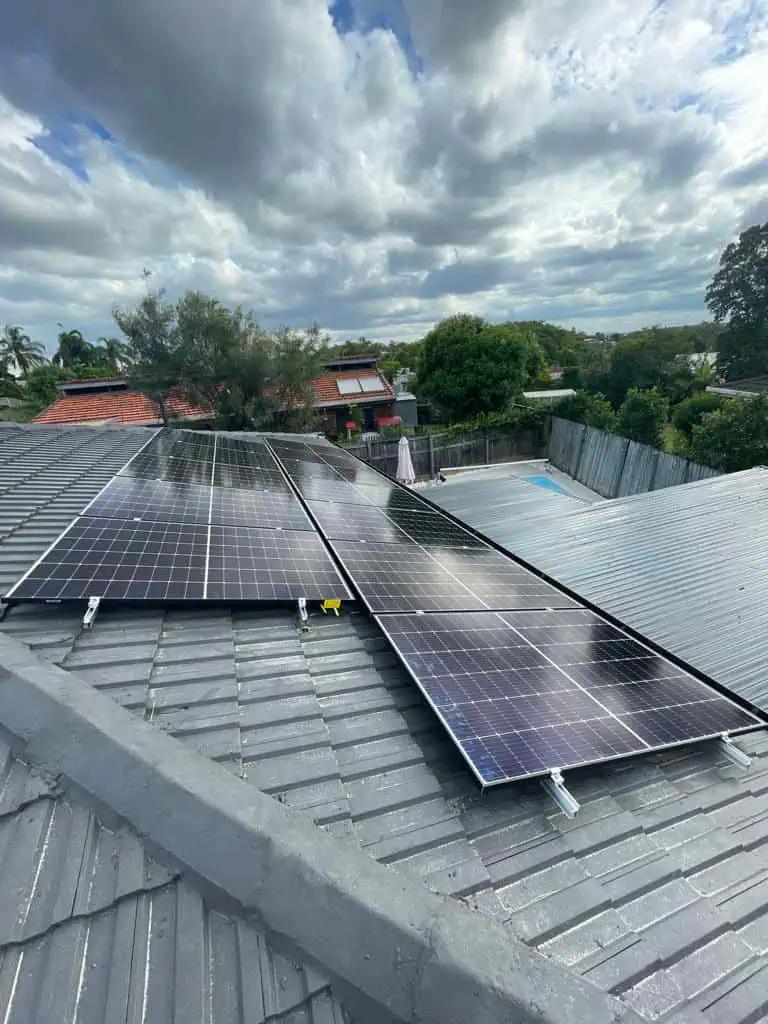
For Australian businesses, electricity is often a major ongoing operating expense. Manufacturing facilities, offices, retail stores, warehouses, hotels, and other commercial properties may consume substantial amounts of electricity throughout the year. As grid electricity costs change, many businesses are considering commercial solar as a way to reduce long-term energy expenses. Comparing solar with grid electricity requires more than looking at the installation price. Businesses should evaluate the potential savings, system lifespan, maintenance, and return on investment (ROI).
Understanding Grid Electricity Costs
When a business purchases electricity from the grid, its energy expenses continue for as long as the property consumes electricity. Depending on the electricity contract and tariff, the bill may include usage charges, demand-related costs, supply charges, and other applicable fees.
These expenses can make long-term budgeting difficult because electricity prices and tariff structures may change. A business that relies entirely on grid electricity remains exposed to these future costs.
Commercial solar provides an alternative by allowing a business to generate part of its electricity on-site.
How Commercial Solar Changes the Equation
A solar system requires an initial investment for equipment, installation, electrical work, approvals, and related services. Once installed, however, the system can generate electricity from sunlight without purchasing that energy from the grid.
The financial value of solar largely comes from the electricity that the business can use directly. The more solar electricity consumed on-site, the greater the potential reduction in grid electricity purchases.
Businesses should therefore consider their daytime electricity consumption when assessing whether solar is financially attractive.
Calculating Solar ROI
A basic solar ROI calculation compares the initial investment with the financial benefits generated over time.
A simple approach is:
Annual Solar Savings ÷ Initial Solar Investment × 100 = Approximate Annual ROI
For example, if a business invests $100,000 in a solar system and estimates that it will save $20,000 per year on electricity, the simple annual ROI would be approximately 20%.
However, this calculation is only an initial estimate. A detailed assessment should also consider maintenance expenses, system performance, electricity price changes, financing costs, and the value of exported solar electricity.
Understanding the Payback Period
The payback period indicates how long it may take for cumulative savings to recover the initial solar investment.
A simplified calculation is:
Initial Solar Investment ÷ Annual Net Savings = Approximate Payback Period
Using the previous example, a $100,000 investment with $20,000 in annual net savings would have a simple payback period of approximately five years.
Actual payback can vary considerably depending on system size, energy consumption, electricity tariffs, solar generation, installation costs, and changes in energy prices.
Self-Consumption Matters
One of the most important factors in commercial solar economics is self-consumption. This refers to the amount of solar electricity that a business uses directly instead of exporting to the grid.
A business operating heavily during daylight hours may consume a significant proportion of its solar generation. Offices, factories, warehouses, retail premises, and commercial facilities with daytime loads may therefore have strong opportunities for solar self-consumption.
Businesses should analyse their electricity usage before installation to understand when demand occurs and how closely it matches expected solar production.
What About Excess Solar Electricity?
A solar system may occasionally generate more electricity than the business needs at that moment. Depending on the system configuration and electricity arrangement, excess electricity may be exported to the grid.
The financial value of exported electricity is generally different from the value of solar electricity consumed on-site. Therefore, ROI calculations should separately consider self-consumed energy and exported generation rather than treating all solar production as having the same value.
Considering Long-Term Savings
Solar ROI should be evaluated over the expected operating life of the system rather than only during the first few years. A system that continues generating electricity after its initial payback period can provide additional financial benefits.
Businesses should also consider equipment warranties, expected performance, maintenance requirements, inverter replacement considerations, and future electricity prices when developing a long-term financial model.
Making a Better Investment Decision
Comparing solar with grid electricity should be based on actual business data. Electricity bills, consumption patterns, operating hours, peak demand, available installation space, and future energy requirements can all influence the result.
A professional commercial solar assessment can help businesses estimate annual generation, potential grid savings, payback period, and long-term financial returns.
Ultimately, the goal is not simply to find the cheapest electricity source today. It is to determine whether investing in commercial solar can provide measurable savings and a reasonable return over the system's operating life. By comparing current grid costs with realistic solar generation and savings estimates, Australian businesses can make a more informed decision about transitioning toward cleaner and more predictable energy.
Battery Storage Integration with Commercial Solar Panel Installation for Manufacturing Plants
Key Considerations before Commercial Solar Panel Installation for Australian Hospitality Sector