
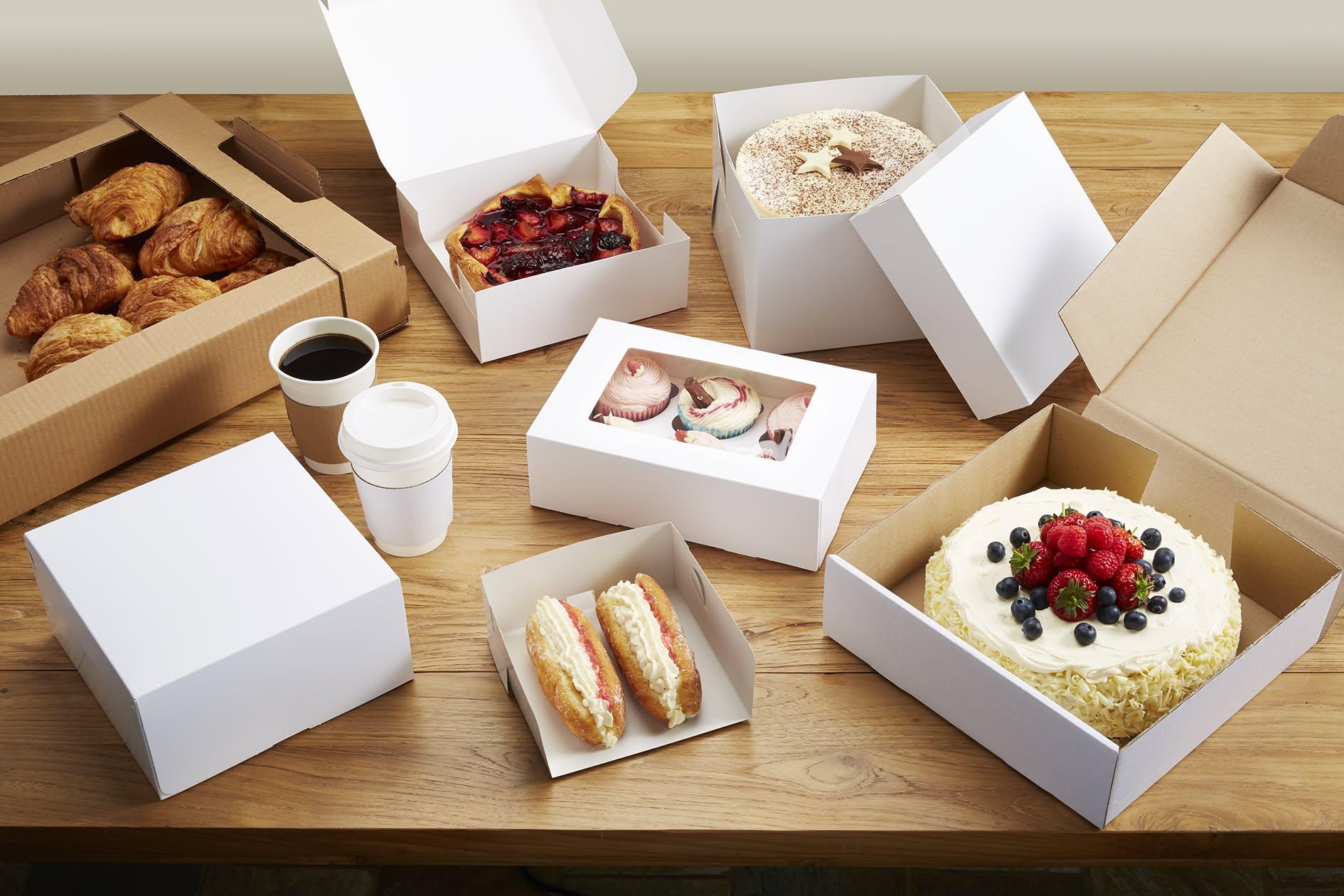
Custom Rigid Setup Boxes Wholesale for Premium Food Packaging
Food packaging needs to protect products, preserve quality, and communicate important information clearly. Rigid setup boxes offer strong construction, premium presentation, and flexible customization options for brands selling gourmet foods, confectionery, bakery items, snacks, and specialty products.
Why Food Brands Need Purpose-Built Packaging
Food packaging performs several important functions at the same time. It helps protect products from damage, supports transportation, provides space for labeling, and influences how customers perceive the brand.
For businesses purchasing custom rigid set up boxes wholesale, the key advantage is the combination of structural strength and premium appearance. Rigid packaging maintains its shape better than many lightweight cartons and can create a more refined presentation for gift products, premium foods, and retail collections.
This format is particularly useful for gourmet assortments, confectionery, tea, coffee, dry foods, snacks, seasonal products, and food gift sets where presentation plays an important role alongside product protection.
Consumer demand for packaged foods continues to grow worldwide. Industry estimates place the global food packaging market at more than USD 300 billion, with ongoing growth driven by convenience foods, e-commerce, and changing shopping habits.
Designing Packaging Around the Food Product
Understand the Product Requirements
Different foods require different packaging approaches. Dry foods, chocolates, cookies, snacks, tea, and specialty products may each have unique needs related to moisture, aroma, freshness, and protection.
Before developing the box, consider the product dimensions, weight, shelf-life requirements, and how the product will be stored or transported.
When sourcing custom rigid set up boxes wholesale, testing the product inside a prototype can reveal practical issues before large-scale production begins. This helps ensure that the product fits correctly and remains stable during handling.
Use Inserts for Better Organization
Inserts can improve both protection and presentation. Paperboard dividers, molded pulp structures, trays, or compartments can keep products separated and prevent movement.
For Custom Food Packaging Boxes, inserts can be particularly useful when packaging assortments or products that need individual compartments. A tea collection, confectionery assortment, or snack gift box can appear more organized when each item has a dedicated space.
The insert should support the product without making the package unnecessarily complicated or difficult to recycle.
Food Safety and Packaging Materials
Food packaging must always be considered as a complete system. The material directly touching the food may have different requirements than the outer presentation box.
Food packaging specialists emphasize that direct food contact materials should be selected according to the product, regulations, and intended use. The outer rigid box often acts as secondary packaging while trays, wrappers, liners, or pouches provide the food-contact layer.
For Custom Food Packaging Boxes, brands should determine whether a separate food-safe liner, tray, or wrapper is necessary. This approach helps maintain food quality while allowing greater flexibility in the design of the outer package.
Clear labeling is also important. Ingredients, nutritional information, storage instructions, allergen statements, and expiration details should remain easy to read.
Branding and Customer Experience
Packaging Influences Perception
Packaging often shapes first impressions. Customers may form opinions about quality before tasting the product.
Rigid packaging provides opportunities to create a memorable experience through structure, finishes, textures, and organization. Matte papers, embossing, foil accents, textured wraps, and carefully arranged inserts can strengthen brand recognition.
For companies ordering custom rigid set up boxes wholesale, consistency is important. Similar typography, colors, and structural elements across product lines can help customers recognize the brand more easily.
Create an Effective Unboxing Experience
The way a box opens can influence how customers experience the product. Lift-off lids, magnetic closures, drawer styles, and book-style structures each create different impressions.
For premium food products, the interior presentation should be considered as carefully as the exterior. Organized compartments and clean layouts can make products feel more valuable and thoughtfully prepared.
Sustainability Is Becoming a Major Consideration
Sustainability continues to influence packaging decisions in 2026. The European Union recently introduced updated packaging regulations that include restrictions on certain substances in food-contact packaging, requirements for recyclability, and efforts to reduce unnecessary packaging waste. Packaging waste in Europe has increased by more than 20% over the last decade, partly due to convenience consumption and online shopping.
This highlights an important point: sustainable packaging involves more than selecting one material. Brands should evaluate the complete package, including board composition, coatings, inserts, adhesives, dimensions, and recyclability.
For Custom Food Packaging Boxes, efficient sizing can reduce material use while maintaining product protection. Recyclable or responsibly sourced materials may also support sustainability goals where suitable infrastructure exists.
Wholesale Buying Considerations
Compare More Than Price
When evaluating custom rigid set up boxes wholesale, compare complete specifications rather than focusing only on cost.
Important details include:
-
Board thickness
-
Box dimensions
-
Insert type
-
Printing method
-
Surface finishes
-
Closure style
-
Minimum order quantity
-
Sampling charges
-
Production timeline
-
Shipping requirements
A lower-priced package may not always provide the same level of performance, presentation, or protection.
Test Before Large Orders
A physical sample can help identify issues with fit, product movement, print quality, and overall appearance.
Testing becomes especially important when products are fragile, temperature-sensitive, or intended for e-commerce distribution.
Future Trends in Food Packaging
Food packaging is moving toward a balance of functionality, sustainability, and technology. Researchers are exploring smart packaging systems capable of monitoring freshness and extending shelf life through advanced sensing technologies.
While these innovations are still developing, the broader trend is clear: packaging is becoming more than a protective container. It is increasingly part of product quality, customer experience, and sustainability strategy.
Frequently Asked Questions
Are rigid boxes suitable for food products?
Yes. Rigid boxes can work well for premium food products, gift sets, snacks, confectionery, tea, coffee, and specialty foods when combined with suitable food-contact materials where required.
Can food packaging include custom inserts?
Yes. Inserts can separate products, improve organization, and reduce movement during transportation.
Are rigid food boxes sustainable?
Their environmental profile depends on the complete package design, including materials, coatings, inserts, dimensions, recyclability, and local waste management systems.
Closing Thoughts
Food packaging should protect products while creating a positive customer experience. Strong structure, thoughtful inserts, practical materials, and clear labeling all contribute to effective packaging.
For businesses investing in custom rigid set up boxes wholesale, the strongest results come from designing packaging around the actual food product and its distribution needs. Custom Food Packaging Boxes can then become more than simple containers—they can support product quality, strengthen branding, and improve customer satisfaction.