
A dog beef cheek roll is a chew made from the cheek tissue of cattle that is shaped into a roll and processed for canine consumption. It is popular among pet owners looking for an animal-based chew with a firm, chewy texture. Depending on its size, thickness, and preparation, a beef cheek roll can provide an engaging chewing activity for dogs that enjoy working on treats.
When considering a dog beef cheek roll, it is important to understand what the product contains and how it differs from traditional rawhide. Beef cheek rolls are generally made from cattle cheek tissue, primarily muscle, whereas traditional rawhide is produced from cattle skin. Although the two products may look similar, their source materials are different. Always check the product label to confirm the ingredients and manufacturing details.
How Are Beef Cheek Rolls Made?
Beef cheek rolls are prepared by cleaning the cheek tissue, shaping it into a roll, and drying or otherwise processing it to achieve the desired texture. Manufacturing methods vary, so the finished products may differ in firmness, thickness, and chewing duration.
The preparation method influences how a roll feels when a dog chews it. Some products are relatively firm, while others may soften as chewing progresses. These differences make it important to review product specifications rather than assume every beef cheek roll has the same characteristics.
Look for products intended specifically for dogs, with clear ingredient information and appropriate feeding instructions. Proper manufacturing and handling matter because drying alone does not eliminate every potential food safety risk.
Benefits of Dog Beef Cheek Rolls
1. Provides an Engaging Chewing Activity
Chewing is a natural behavior for dogs. A suitable beef cheek roll can provide an activity for dogs that enjoy gnawing on firm, animal-based treats.
The amount of time a dog spends chewing depends on its jaw strength, size, and chewing habits, as well as the roll's thickness and preparation. Always supervise your dog, even when the product is marketed as durable or long-lasting.
2. Offers a Meat-Based Treat Option
Beef cheek rolls are made from animal tissue and provide animal-derived nutrients, including protein. Their exact nutritional composition depends on the product and its processing.
For pet owners who prefer straightforward ingredients, some products contain beef cheek without additional ingredients. However, not all products are identical, so read the label carefully and check for anything your dog may not tolerate.
3. Appeals to Dogs That Enjoy Beef Flavor
Beef-based treats often appeal to dogs that enjoy the aroma and flavor of animal products. A beef cheek roll can serve as an occasional treat or supervised chewing activity.
Introduce new treats gradually and monitor your dog's response. If your dog experiences digestive discomfort or an unusual reaction, stop offering the product and contact your veterinarian when appropriate.
4. Comes in Different Sizes and Textures
Beef cheek rolls may be available in different dimensions and thicknesses. This variety can help pet owners compare products for dogs of different sizes and chewing strengths.
However, a larger roll is not automatically safer for a powerful chewer, and a smaller roll may be unsuitable for a dog that swallows pieces quickly. Select a product based on your dog's actual chewing behavior.
Are Beef Cheek Rolls Safe for Dogs?
Beef cheek rolls may be appropriate for some dogs, but they are not risk-free. A dog can break off and swallow a large piece, potentially causing choking or a digestive obstruction. Very firm chews may also damage teeth.
Take these precautions before offering a beef cheek roll:
- Choose an appropriate size: Select a product that suits your dog's mouth size and chewing style.
- Supervise continuously: Stay nearby and watch how your dog handles the chew.
- Inspect the roll: Check for sharp edges, loose pieces, and changes in texture.
- Remove small remnants: Do not let your dog swallow the final piece.
- Follow the label: Observe the manufacturer's serving and storage instructions.
Dogs with dental problems, digestive conditions, or a history of swallowing objects may need a different type of treat. Consult your veterinarian if you are unsure whether a beef cheek roll is suitable for your dog.
How to Choose a Quality Beef Cheek Roll
Before purchasing a beef cheek roll, consider these factors:
Ingredient Transparency
Check that the product clearly identifies beef cheek and lists any additional ingredients. This is particularly important if your dog has known food sensitivities.
Size and Thickness
Choose a roll that matches your dog's mouth size and chewing habits. Dogs that chew forcefully or attempt to gulp down treats may require a different option.
Product Quality
Check the packaging for damage and review the product's manufacturing information, storage instructions, and expiration or best-before date where available.
Feeding Instructions
Follow the manufacturer's directions and introduce the chew carefully. Treats should complement a complete and balanced diet rather than replace regular meals. As a general guideline, treats and other extras should account for no more than 10% of a dog's daily calorie intake.
Can Large Dogs and Puppies Have Beef Cheek Rolls?
Large dogs may enjoy appropriately sized beef cheek rolls, but their jaw strength can cause some products to break apart faster than expected. Select a roll that suits the individual dog and supervise every session.
Puppies require additional care because their teeth and chewing abilities are still developing. Not every firm chew is appropriate for a young dog. Check the product's age guidance and consult your veterinarian before introducing a beef cheek roll to a puppy.
For both puppies and adult dogs, remove the chew if it becomes small, damaged, or easy to swallow.
Why Consider Ugly Chews for Natural Dog Chews?
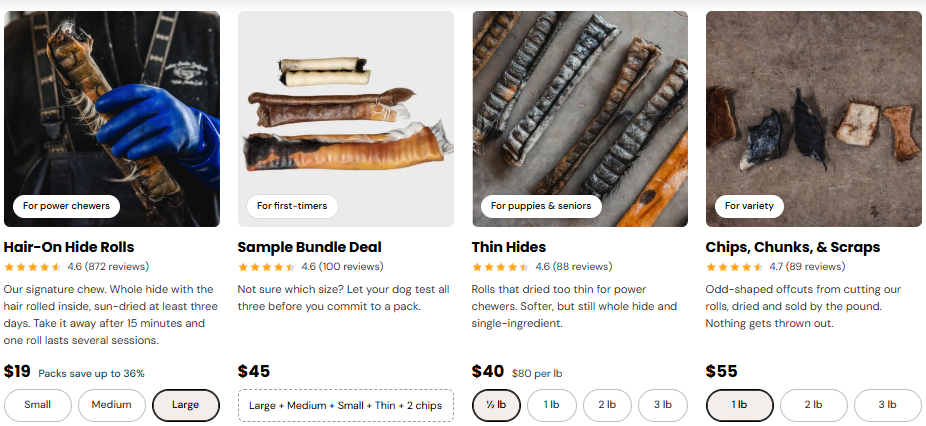
Ugly Chews focuses on natural beef hide products, including hair-on hide rolls, chips, chunks, and scraps. These products are made from cattle hide, which is different from the cheek tissue used in beef cheek rolls.
If you are comparing animal-based chews, visit Ugly Chews to review the available products, ingredients, sizes, and preparation details. Check each product carefully to ensure you understand its material and intended use before ordering.
Frequently Asked Questions
1. What is a dog beef cheek roll made from?
A beef cheek roll is generally made from cattle cheek tissue that has been shaped and processed into a chew. Check the ingredient label to confirm the material.
2. Are beef cheek rolls the same as rawhide?
No. Beef cheek rolls are made from cheek tissue, while traditional rawhide is made from cattle skin. Their textures and processing methods may differ.
3. Can dogs eat beef cheek rolls every day?
Frequency depends on your dog's diet, the product, and its serving guidance. Keep treats limited and account for their calories in your dog's daily food intake.
4. Do beef cheek rolls last a long time?
Chewing duration varies with the roll's thickness, preparation, and the dog's chewing strength. No product is guaranteed to last a particular length of time.
5. Are beef cheek rolls suitable for aggressive chewers?
Not necessarily. Powerful chewers may break off large pieces or damage their teeth. Consult your veterinarian about appropriate options for your dog's chewing habits.
6. How should beef cheek rolls be stored?
Follow the manufacturer's storage instructions. Keep the product protected from moisture and contamination, and discard it if you notice mold, unusual odors, or deterioration.
Conclusion
A dog beef cheek roll can provide an engaging chewing activity for dogs that enjoy firm, animal-based treats. Its source material distinguishes it from traditional rawhide, but product quality, size, texture, and individual chewing habits remain important safety considerations.
Choose a suitable roll, supervise your dog throughout every session, and remove small or damaged pieces promptly. If you are comparing natural dog chews, Ugly Chews offers beef hide products worth reviewing, with individual product details available on its website.