
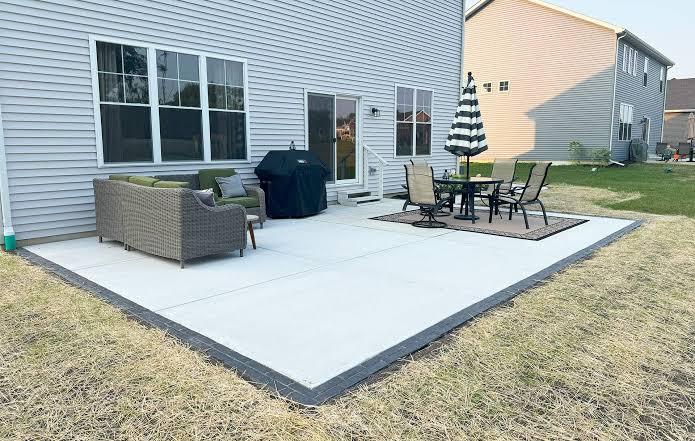
What Makes a Do It Yourself Concrete Patio a Great Home Improvement Project?
A Do It Yourself Concrete Patio is a practical way to transform an ordinary backyard into a comfortable, attractive, and useful outdoor living area. Homeowners can create a dedicated space for family meals, weekend barbecues, outdoor furniture, gardening activities, and peaceful evenings outside. Concrete is popular because it offers a solid surface, supports many design styles, and can be customized with different textures and decorative finishes. A successful project requires more than pouring a mixture onto the ground, however. Careful planning, proper excavation, a stable base, accurate forms, suitable drainage, and patient curing all influence the final result. Understanding these stages before starting helps homeowners make better decisions, manage expenses, and avoid mistakes that could affect the patio's durability.
How Should You Plan a Do It Yourself Concrete Patio?
Planning a Do It Yourself Concrete Patio begins with understanding the available outdoor space and deciding how the finished area will be used. Homeowners should consider whether the patio will accommodate a small seating arrangement, a large dining table, a grill, outdoor sofas, or several activities at once. Measure the proposed area carefully and mark its boundaries using stakes and string so the size is easy to visualize. Consider how people will enter the patio from the house, where furniture will be positioned, and whether nearby trees, fences, garden beds, or utility lines could affect construction. Checking local building requirements and permit rules before excavation can also prevent unexpected problems. A detailed plan makes it easier to estimate material quantities, organize equipment, and establish a realistic construction budget.
What Materials Are Required for a Do It Yourself Concrete Patio?
Preparing the correct materials before starting a Do It Yourself Concrete Patio helps the project progress smoothly once construction begins. Common supplies include concrete mix or ready-mix concrete, compactable gravel, wooden form boards, stakes, screws, and suitable reinforcement when the design calls for it. Depending on the project, homeowners may also need jointing tools, curing materials, protective coverings, and an appropriate concrete sealer for later use. Essential equipment often includes a measuring tape, shovel, rake, level, wheelbarrow, tamper or plate compactor, screed board, concrete float, edging tool, and broom for creating a textured finish. The quantities required depend on the patio's dimensions, slab thickness, ground conditions, and chosen construction method. Preparing a complete materials list in advance helps reduce unnecessary shopping trips and prevents important supplies from being overlooked.
How Do You Choose the Best Location for a Do It Yourself Concrete Patio?
Choosing the right location is an important decision when developing a Do It Yourself Concrete Patio because the position affects sunlight, drainage, privacy, accessibility, and everyday comfort. A patio close to the back door may make it convenient to carry meals, drinks, and furniture outdoors, while a quieter corner of the yard may provide a relaxing place to sit. Observe how sunlight moves across the property during the day and decide whether shade from trees, a pergola, or an umbrella would improve the space. Check the existing ground slope and avoid locations where rainwater regularly collects. Homeowners should also consider nearby foundations, underground utilities, tree roots, and property boundaries before digging. A well-selected location combines convenience, visual appeal, and practical drainage requirements.
How Do You Measure a Do It Yourself Concrete Patio Correctly?
Accurate measurements are essential for a Do It Yourself Concrete Patio because the dimensions determine the quantity of concrete, the amount of base material, and the size of the formwork. Begin by measuring the length and width of the proposed patio, then calculate the surface area by multiplying these measurements together. For example, a rectangular patio measuring 10 feet by 12 feet has an area of 120 square feet. If the design includes several sections or an irregular shape, divide the area into manageable rectangles and calculate each section separately. Check the measurements again before ordering materials because even small errors can lead to shortages or unnecessary expenses. It is also helpful to sketch the layout on paper and note the location of doors, steps, drainage routes, and other features that may affect the final dimensions.
How Do You Prepare the Ground for a Do It Yourself Concrete Patio?
Ground preparation is one of the most important stages of a Do It Yourself Concrete Patio because the finished slab depends on a stable and properly prepared foundation. Start by removing grass, roots, leaves, loose debris, and unsuitable topsoil from the marked area. Excavate deeply enough to accommodate the planned concrete thickness and the compacted base beneath it. The required excavation depth varies according to the site, soil conditions, climate, and project design, so measurements should be established before digging begins. After excavation, inspect the exposed ground for soft spots, loose fill, or areas that may hold water. These problems should be addressed before proceeding with the base. Never assume that apparently level ground is automatically stable, because weak soil beneath concrete can contribute to settlement and cracking later.
Why Does a Do It Yourself Concrete Patio Need a Stable Gravel Base?
A properly prepared gravel base provides important support for a Do It Yourself Concrete Patio by helping distribute loads and creating a more uniform surface beneath the slab. Once excavation is complete, spread suitable compactable gravel across the prepared ground and bring it to the required elevation. Compact the material thoroughly with appropriate equipment, working in layers when necessary to achieve a stable foundation. The recommended base depth depends on the soil, drainage conditions, climate, and design requirements, so a single measurement should not be assumed suitable for every property. Loose gravel, uncompacted fill, and organic material can allow uneven movement beneath the concrete. Taking the time to prepare the base correctly can improve the patio's performance and reduce the likelihood of problems that are difficult to repair after the concrete has hardened.
How Do You Build Strong Forms for a Do It Yourself Concrete Patio?
Forms create the outline and finished edge of a Do It Yourself Concrete Patio while containing the wet concrete during placement and finishing. Wooden boards are commonly used for simple rectangular patios because they can be cut to the required dimensions and secured with stakes. Position the boards along the marked boundaries and fasten them securely enough to resist the pressure of the concrete. Check each corner, verify the overall dimensions, and use a level or string line to establish the planned height. The forms should remain straight and stable throughout the pour because movement can create uneven edges or change the slab dimensions. Pay particular attention to corners, joints, and long sections of formwork. Carefully built forms provide a reliable guide for the concrete and make it easier to achieve a neat, consistent finish.
How Can You Ensure Proper Drainage for a Do It Yourself Concrete Patio?
Drainage should be planned carefully for every Do It Yourself Concrete Patio because water that collects near a house or remains on the surface can create maintenance concerns and contribute to deterioration. The finished patio generally needs a suitable slope away from the building so rainwater can move toward an appropriate drainage area. The exact slope should reflect the site layout, local requirements, and the surrounding ground levels. Before pouring, check the height of the forms at several points and confirm that the intended direction of water flow is consistent. Consider nearby downspouts, garden beds, walkways, and low areas where runoff might accumulate. Good drainage planning helps protect the home and the patio, while also making the outdoor surface more comfortable to use after rainfall. Avoid redirecting water toward neighboring properties or areas where it could cause damage.
How Thick Should a Do It Yourself Concrete Patio Be?
The appropriate thickness of a Do It Yourself Concrete Patio depends on the intended use, soil conditions, concrete specification, reinforcement, and local construction recommendations. Many ordinary residential patios use a slab approximately four inches thick, but this is only a common starting point rather than a universal requirement. Areas expected to support unusually heavy furniture, equipment, vehicles, or other significant loads may need a different design. Consistent thickness is important because thin sections may be more vulnerable to damage under unsuitable conditions. Before construction begins, confirm the intended slab dimensions and make sure the excavation and forms allow enough room for both the base material and concrete. If the property has weak soil, unusual loading requirements, or difficult site conditions, professional guidance can help determine an appropriate slab design.
Should You Add Reinforcement to a Do It Yourself Concrete Patio?
Reinforcement may be useful in a Do It Yourself Concrete Patio when the design and site conditions call for additional crack control or structural support. Depending on the project, suitable options may include reinforcing bars, welded wire reinforcement, or fibers incorporated into the concrete mix. The appropriate choice depends on factors such as the slab design, expected loads, ground conditions, and local construction practices. Reinforcement must be positioned as specified rather than simply left on the ground beneath the concrete. It is also important to understand that reinforcement does not guarantee a completely crack-free surface. Proper excavation, base compaction, concrete placement, control joints, and curing remain essential parts of a durable installation. For a large or technically demanding patio, consult a qualified professional before deciding whether reinforcement is necessary and how it should be installed.
How Do You Calculate Concrete for a Do It Yourself Concrete Patio?
Calculating the required concrete volume before starting a Do It Yourself Concrete Patio helps homeowners plan deliveries, compare material costs, and avoid running short during placement. For a rectangular slab, multiply the length by the width and then by the planned thickness, using consistent measurement units. For instance, a 10-foot-by-12-foot patio with a four-inch slab requires approximately 1.48 cubic yards of concrete before allowing for waste or variations in the prepared ground. A supplier or reliable concrete calculator can help convert the dimensions into the appropriate order quantity. Bagged concrete may work for smaller projects, while ready-mix delivery can be more practical for larger areas. Remember to consider access to the worksite, the time needed to place the mixture, and the availability of helpers when deciding how to obtain and handle the concrete.
What Is the Best Weather for a Do It Yourself Concrete Patio?
Weather can strongly influence the success of a Do It Yourself Concrete Patio because temperature, wind, sunlight, and rainfall affect how concrete is placed and cured. Moderate conditions are often easier to manage than extreme heat or cold. Hot, dry, and windy weather may cause moisture to evaporate too quickly, making finishing more difficult and increasing the risk of surface problems. Heavy rain can damage freshly placed concrete, while freezing conditions can interfere with proper strength development. Check the forecast before scheduling the pour and prepare suitable protective coverings when needed. Concrete should be mixed, placed, finished, and cured according to the supplier's recommendations for the expected conditions. Good timing also means arranging the required workers and tools before the concrete arrives, so the team can complete each stage without unnecessary delays.
How Do You Mix Concrete for a Do It Yourself Concrete Patio?
Correct mixing is essential for a Do It Yourself Concrete Patio because the water content and consistency influence workability and the performance of the finished slab. When using bagged concrete, follow the manufacturer's directions carefully and measure the water instead of adding it by guesswork. Excess water may make the mixture easier to spread, but it can reduce strength and increase the likelihood of surface defects. A mixture that is too dry can also be difficult to place and consolidate properly. For small patios, a suitable mixing container or portable mixer may be sufficient, while larger projects may benefit from ready-mix delivery. Prepare the tools, forms, and work area before mixing so that the concrete can be placed promptly. Consistency from batch to batch helps create a more uniform surface and reduces avoidable finishing problems.
How Do You Pour Concrete for a Do It Yourself Concrete Patio?
Pouring concrete is a time-sensitive stage of a Do It Yourself Concrete Patio, so every required tool and helper should be ready before the mixture is delivered or prepared. Begin placing the concrete in a controlled manner, distributing it across the formed area and filling the corners without disturbing the base or reinforcement. Spread the mixture evenly with suitable tools and work steadily so that the entire slab can be completed within the recommended working time. Large patios can be challenging because concrete begins to stiffen while workers are still placing and finishing it. An interruption may create an unwanted joint or an uneven appearance. Homeowners should assess the project size honestly and arrange enough help in advance. If the slab is large or difficult to access, professional placement may be safer and more practical than attempting the entire pour alone.
How Do You Level a Do It Yourself Concrete Patio?
Leveling helps create an even, usable surface during the construction of a Do It Yourself Concrete Patio. After placing the concrete, use a straight screed board supported by the forms to remove excess material and fill low areas. Move the board steadily across the surface while maintaining the planned slope for drainage. Work carefully around corners and edges so the concrete fills the available space without leaving significant depressions. If low spots appear, add fresh concrete from the same pour and level the area again before the mixture becomes too stiff. The objective is not necessarily to create a perfectly horizontal surface, because an outdoor patio usually needs a slight slope to direct rainwater away from the house. Accurate screeding provides a consistent starting point for floating, edging, and applying the final surface texture.
What Finish Should You Choose for a Do It Yourself Concrete Patio?
The surface finish can influence the appearance, comfort, and safety of a Do It Yourself Concrete Patio. A broom finish is a popular outdoor option because it creates texture that can improve traction underfoot when the surface is damp. Other possibilities include smooth finishes, decorative coloring, exposed aggregate, and stamped patterns designed to resemble stone or other materials. Each option requires appropriate timing, tools, and installation techniques. Avoid finishing the surface too early or working excess water into the top layer, as these practices can weaken the surface and contribute to defects. Choose a finish that complements the home's exterior while remaining practical for the local climate and intended use. Homeowners who want a highly decorative result should review sample finishes and understand the additional skill or materials required before deciding how to complete the patio.
Why Are Control Joints Important in a Do It Yourself Concrete Patio?
Control joints are an important design feature of a Do It Yourself Concrete Patio because concrete naturally shrinks as it hardens and changes dimension with temperature and moisture. These joints create planned locations where cracking is more likely to occur, helping make cracks less random and less noticeable. The layout and spacing depend on the slab thickness, dimensions, shape, and applicable construction guidance. Long or irregular sections may need more careful joint planning than a simple rectangular slab. Joints can be formed during finishing with appropriate tools or cut after the concrete has hardened sufficiently for the chosen method. The timing and depth must follow the relevant recommendations for the slab. Although control joints cannot prevent all cracking, a suitable jointing plan is an important part of producing a cleaner-looking and more manageable concrete surface.
How Should You Cure a Do It Yourself Concrete Patio?
Curing allows a Do It Yourself Concrete Patio to develop strength by maintaining suitable moisture and temperature conditions during the hardening process. Concrete does not simply become fully ready for use as soon as its surface feels firm. Follow the concrete supplier's recommendations for curing, which may involve keeping the surface appropriately moist or using an approved curing compound. Protect the newly placed slab from premature drying, damaging weather, and unnecessary foot traffic. Avoid placing heavy furniture or other significant loads on the surface until it has gained adequate strength. The time required depends on the mix, slab conditions, and weather, so do not rely on appearance alone to decide when the patio is ready. Proper curing supports durability and helps reduce problems associated with rapid moisture loss.
How Much Does a Do It Yourself Concrete Patio Cost?
The cost of a Do It Yourself Concrete Patio depends on the size of the area, concrete prices, gravel, formwork, equipment rental, reinforcement, delivery charges, and the amount of ground preparation required. Homeowners may save on labor by doing the work themselves, but the total budget should include more than the concrete alone. Excavation equipment, waste removal, protective supplies, finishing tools, and curing products can add to the expense. A complicated site with poor drainage or difficult access may require additional work that was not obvious at the beginning. Request prices from local suppliers, compare bagged concrete with ready-mix delivery, and prepare a detailed materials list before purchasing anything. It is also sensible to keep some money available for unexpected costs. A realistic budget makes it easier to decide whether the project is suitable for a DIY approach.
What Common Mistakes Should You Avoid During a Do It Yourself Concrete Patio Project?
Avoiding common mistakes can make a major difference to the durability and appearance of a Do It Yourself Concrete Patio. One frequent problem is rushing through excavation or skipping proper base compaction, which can leave the slab with inconsistent support. Other mistakes include building weak forms, overlooking drainage, using too much mixing water, and failing to plan control joints. Poor weather timing and insufficient help can also create difficulties because concrete must be placed and finished within a limited working period. Some homeowners try to smooth the surface repeatedly without understanding the correct finishing stage, which may affect the quality of the concrete. Following the material instructions, preparing a checklist, and reviewing each stage before proceeding can reduce unnecessary errors. When a problem involves unstable ground, complex drainage, or structural concerns, seek professional guidance instead of guessing.
How Can You Make a Do It Yourself Concrete Patio Look More Attractive?
A Do It Yourself Concrete Patio can become a welcoming outdoor feature when its finish, furniture, and surrounding landscape work together. Homeowners may choose a simple broom finish for a clean appearance or explore decorative options such as colored concrete, stamped textures, or carefully planned borders. Comfortable outdoor seating, weather-resistant cushions, planters, and suitable lighting can make the space feel more complete without requiring major structural changes. Plants and garden beds can soften the visual transition between the hard surface and the surrounding yard. Consider how the colors of the patio relate to the house, fences, pathways, and outdoor furniture before selecting decorative treatments. Any coating or sealer should be compatible with the concrete and appropriate for outdoor use. Combining practical design with a consistent visual style can create an attractive area for everyday relaxation and entertaining guests.
How Do You Maintain a Do It Yourself Concrete Patio Over Time?
Regular maintenance helps a Do It Yourself Concrete Patio remain clean, safe, and visually appealing after construction is complete. Sweep away leaves, dirt, and other debris so that organic material does not remain on the surface for long periods. Clean spills using products suitable for concrete, and avoid aggressive cleaning methods that could damage the finish. Inspect the patio periodically for cracks, uneven sections, standing water, or changes around the edges. If a crack develops, determine whether it appears to be a minor surface issue or a sign of movement before choosing a repair method. A suitable sealer may help protect some concrete surfaces when applied according to product directions, but sealing cannot correct poor drainage or an unstable foundation. Consistent inspection and basic care can help homeowners identify small problems before they become more expensive to address.
Is a Do It Yourself Concrete Patio Better Than a Paver Patio?
Choosing between a Do It Yourself Concrete Patio and a paver patio depends on budget, appearance, construction experience, and future maintenance preferences. Poured concrete creates a continuous surface that can work well for outdoor dining, seating, and contemporary landscape designs. Pavers offer flexibility in patterns, colors, and shapes, and individual units may be replaced when localized damage occurs. However, pavers also require careful base preparation and accurate installation to reduce movement and unevenness. Concrete slabs require proper drainage, control joints, and curing, and cracks can occur even when the work is performed carefully. Homeowners should compare material costs, installation requirements, repair options, and the style of the property before making a decision. The most suitable choice is the one that meets the property's practical needs and can be installed properly within the available budget.
What Safety Measures Should You Follow for a Do It Yourself Concrete Patio?
Safety should remain a priority throughout a Do It Yourself Concrete Patio project because excavation, heavy materials, power tools, and wet concrete can all create hazards. Wear suitable gloves, eye protection, sturdy footwear, and protective clothing when handling concrete and construction equipment. Wet concrete can cause skin irritation and chemical burns, so avoid direct contact and wash exposed skin promptly. Follow product instructions when handling dry concrete mix, and use suitable respiratory protection where required to reduce exposure to dust. Before digging, arrange for underground utilities to be identified through the appropriate local service. Keep children and pets away from the work area, use safe lifting practices, and make sure powered equipment is operated according to its instructions. If the project requires unfamiliar machinery or presents challenging site conditions, obtain qualified assistance rather than taking unnecessary risks.
When Should You Hire a Professional Instead of Building a Do It Yourself Concrete Patio?
Although a Do It Yourself Concrete Patio can be suitable for some homeowners, professional assistance may be the better choice for large slabs, difficult ground conditions, complicated drainage, decorative finishes, or projects requiring precise construction details. A qualified contractor can assess the site, recommend suitable materials, prepare the base, install forms, and coordinate the concrete placement and finishing process. Hiring an experienced professional may also reduce the pressure of completing a large pour within a limited working period. Before choosing a contractor, ask for a detailed written estimate describing the preparation work, concrete dimensions, reinforcement where required, jointing, finishing, cleanup, and any additional charges. Review experience, insurance, references, and the terms of the agreement. Comparing several estimates can help homeowners understand their options and determine whether professional installation offers better value for their particular project.
What Final Checks Should You Complete Before Using a Do It Yourself Concrete Patio?
Before considering a Do It Yourself Concrete Patio complete, review the finished surface, drainage, edges, joints, and surrounding ground. Confirm that rainwater can move away from the house and that no obvious low areas collect water. Follow the supplier's guidance for curing and wait until the concrete has gained sufficient strength before placing heavy furniture or allowing regular use. Remove construction debris safely and finish the surrounding ground without undermining the slab edges. If a sealer or decorative coating is planned, verify that the concrete has reached the required curing stage and that the selected product is appropriate for the surface. Keep records of the materials used and any maintenance recommendations so future care is easier to manage. These final checks help protect the investment and prepare the patio for comfortable outdoor use.
Conclusion: How Can You Create a Long-Lasting Do It Yourself Concrete Patio?
A successful Do It Yourself Concrete Patio begins with careful planning and continues through every stage of preparation, construction, finishing, and maintenance. Measuring accurately, preparing a stable base, building secure forms, managing drainage, choosing suitable materials, and following proper curing instructions all contribute to the finished result. Homeowners should consider their available time, experience, equipment, and the size of the project before deciding whether to complete the work independently. While a straightforward patio may be manageable with sufficient preparation and help, more complicated projects can benefit from professional experience. For homeowners exploring expert assistance with paving and masonry work, Promaster Maintenance Corp Paving and Masonry is a name to consider when researching suitable professional options. By choosing an approach that matches the project's needs and maintaining realistic expectations, homeowners can work toward an attractive and functional outdoor space that complements their property.