
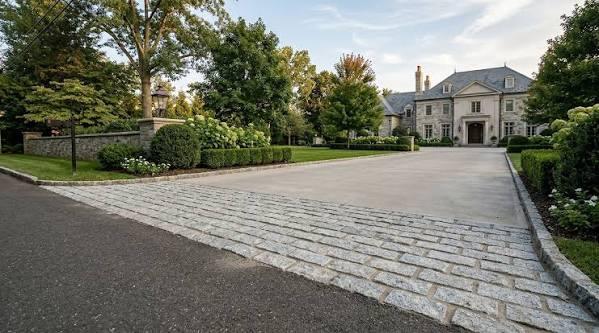
Why Belgian Block Is a Popular Choice for Outdoor Projects
Belgian block is a popular choice for homeowners who want to enhance their property's exterior with durable stone features and attractive masonry details. These traditional blocks are commonly used for driveway borders, landscape edging, patio boundaries, walkways, and other outdoor applications where a clearly defined edge improves the overall appearance. Their natural texture and substantial appearance complement asphalt, concrete, pavers, and different landscaping styles. Belgian block can also help organize outdoor spaces by separating paved surfaces from grass, planting beds, and decorative stone. With proper installation, suitable materials, and regular maintenance, Belgian block can provide a long-lasting improvement that adds character and functionality to residential and commercial properties.
Belgian Block for Driveway Edging
Belgian block is widely used for driveway edging because it creates a strong visual boundary between the pavement and surrounding landscaping. A properly installed Belgian block border can complement an asphalt or concrete driveway while giving the entrance a cleaner and more finished appearance. Homeowners can choose a single row for a simple design or a wider arrangement when they want a more decorative border. Proper measurements, base preparation, and accurate placement are essential for keeping the blocks aligned along the driveway. Belgian block edging can also help define the transition between pavement, grass, gravel, and planting areas, making the exterior look more organized while complementing the overall landscape design.
Belgian Block Installation and Proper Site Preparation
Proper site preparation is essential when installing Belgian block because the condition of the ground beneath the stones influences their stability and long-term performance. The installation area may need to be measured, cleared, excavated, leveled, and prepared with suitable supporting materials before the blocks are positioned. Contractors should inspect the soil, surrounding pavement, drainage conditions, and existing landscape features to determine the preparation required for the project. Loose or unsuitable soil may need to be removed to create a more dependable foundation. Careful preparation helps reduce the likelihood of shifting, settlement, and uneven borders over time. Quality Belgian block installation begins with a properly prepared site and attention to the conditions surrounding the finished stonework.
Belgian Block for Asphalt Driveways
Belgian block creates an attractive contrast against dark asphalt, making it a popular edging option for residential driveways and entrances. The natural stone can define the sides of the driveway while providing a traditional appearance that complements many home designs. A Belgian block border can follow straight driveway edges or be arranged along curved sections to match the property's layout. Before installation, the contractor should evaluate the asphalt edge and prepare the adjoining ground so the blocks receive appropriate support. Drainage should also be considered to prevent water from collecting near the border. When installed properly, Belgian block can improve the appearance of an asphalt driveway without requiring the entire paved surface to be replaced.
Belgian Block for Concrete Driveways
Concrete driveways can benefit from Belgian block because the stone creates a decorative boundary that adds texture and definition to the otherwise smooth pavement. Belgian block edging can separate the driveway from lawns, garden beds, decorative gravel, and other outdoor materials while giving the entrance a more finished appearance. The border design should complement the driveway's dimensions and the architectural style of the property. Accurate measurements and suitable base preparation help maintain consistent alignment and reduce the risk of movement. Contractors should also consider transitions between the concrete and the blocks to achieve a neat finish. Belgian block can be an attractive addition to concrete driveways when the materials and installation details are carefully coordinated.
Belgian Block for Landscape Borders
Landscape borders help define different areas of a property while keeping lawns, gardens, planting beds, and paved surfaces visually separated. Belgian block can create durable borders around flower beds, shrubs, decorative stone, and other landscaping features, adding structure to the outdoor environment. The blocks can be arranged in straight rows or gentle curves depending on the layout of the garden and surrounding property. Proper installation helps maintain the border's shape while reducing unwanted movement caused by soil changes or erosion. Belgian block can also complement existing patios, driveways, and walkways to create a consistent exterior design. With thoughtful planning, stone landscape borders can improve the appearance and organization of residential and commercial outdoor spaces.
Belgian Block for Patio Borders
A patio can look more complete when its edges are framed with a durable and attractive border. Belgian block can be installed around concrete or paver patios to create a defined perimeter that separates the paved area from surrounding grass, garden beds, and decorative landscaping. The stone adds texture and contrast, helping the patio stand out as a distinct outdoor living space. Homeowners can select block sizes and arrangements that complement the main patio material and the style of the house. Proper base preparation and accurate placement help keep the border level and visually consistent. Belgian block patio edging can provide a traditional masonry detail that improves the appearance of outdoor entertaining and relaxation areas.
Belgian Block for Walkways and Garden Paths
Walkways and garden paths connect different parts of a property and benefit from clearly defined edges that improve their overall appearance. Belgian block can be used alongside concrete paths, paver walkways, and other paved routes to create a distinct border between the walking surface and nearby landscaping. The blocks can follow straight sections or curves to complement the pathway's design and the surrounding garden. Careful placement and stable support are important for maintaining consistent alignment throughout the installation. Drainage and changes in ground level should also be considered when designing the border. Belgian block edging can help create attractive pathways that connect driveways, patios, gardens, and entrances while giving the property a more organized appearance.
Belgian Block for Curved Driveway Designs
Curved driveway borders can give a property a distinctive appearance, especially when the entrance includes rounded corners, circular features, or sweeping landscape lines. Belgian block can follow these shapes when the installation is planned carefully and the stones are positioned to create a smooth, consistent curve. Contractors should establish the intended layout before beginning work and consider the dimensions of the blocks to prevent awkward gaps or uneven spacing. The supporting base must also follow the curve to help maintain stability across the border. Belgian block edging can complement curved driveways by adding natural stone texture and visual definition while preserving the overall shape of the paved entrance and surrounding landscape.
Belgian Block and Paver Patio Designs
Belgian block can work especially well with paver patios because the stone border creates contrast against the patterns and textures of the patio surface. Homeowners can use Belgian block to frame a seating area, define the perimeter of an outdoor dining space, or create a transition between pavers and surrounding landscaping. The selected blocks should complement the patio's colors, dimensions, and layout rather than overpowering the main surface. Proper planning helps coordinate the heights, edges, and supporting materials used for each feature. Belgian block edging can give a paver patio a more finished appearance while connecting the outdoor living area with nearby walkways, garden beds, and other hardscape features.
Belgian Block for Garden and Planting Beds
Garden beds can look more organized when they have clearly defined borders separating soil, mulch, plants, and surrounding lawn areas. Belgian block provides a durable edging option for flower beds, shrubs, small landscaped areas, and other garden features. The blocks can be arranged to create straight or curved boundaries according to the available space and the desired landscape design. Proper placement helps maintain the border's appearance and creates a clear transition between planted areas and nearby paved surfaces. Homeowners should also consider how the edging will interact with drainage, lawn maintenance, and the growth of surrounding plants. Belgian block garden borders can add traditional character while helping create a more structured and attractive outdoor environment.
Belgian Block and Proper Drainage
Drainage is an important consideration when installing Belgian block because water movement can affect the soil and supporting materials beneath the stones. Contractors should evaluate the property's grading, rainfall runoff, downspout locations, and surrounding pavement before determining the most appropriate installation method. Water should not be allowed to collect persistently around the blocks or wash away the supporting material. Some properties may require grading adjustments or additional drainage improvements before the edging is installed. Taking these factors into account can help reduce the risk of erosion, shifting, and uneven sections. Belgian block performs best when the installation is planned around the site's drainage conditions and the finished border works properly with nearby paved and landscaped areas.
Belgian Block for Commercial Properties
Commercial properties can use Belgian block to define the edges of parking lots, building entrances, walkways, landscaped islands, and other outdoor areas. A well-installed stone border can create a professional appearance while separating asphalt or concrete surfaces from lawns, planting beds, and decorative landscape materials. Commercial projects require careful consideration of traffic patterns, maintenance access, delivery vehicles, and the location of the proposed border. Blocks should be positioned appropriately so they do not interfere with normal vehicle movement or site operations. Proper preparation and consistent alignment are important for achieving an attractive and dependable finish. Belgian block can provide commercial properties with a traditional masonry detail that complements paving and landscaping while helping organize outdoor spaces.
Belgian Block for Better Curb Appeal
Curb appeal depends on the appearance of the driveway, entrance, landscaping, walkways, and other visible parts of a property's exterior. Belgian block can improve the overall presentation by adding a distinctive stone border that creates contrast between paved surfaces and surrounding landscaping. Its natural texture can complement a variety of architectural styles, from traditional homes to more contemporary properties. Coordinating the blocks with existing paving, garden borders, retaining walls, and other masonry features can create a more cohesive design. Although edging alone cannot guarantee an increase in property value, attractive and properly maintained exterior features can support the overall presentation of a home. Belgian block is a practical option for homeowners who want to give their outdoor spaces a more finished appearance.
Belgian Block Material Selection and Quality
Choosing suitable materials is an important part of any Belgian block project because block dimensions, texture, color, and condition influence both appearance and installation requirements. Homeowners may prefer natural stone with varied textures for a traditional look or more uniform blocks for a consistent border. The selected material should suit the driveway, patio, walkway, or landscape area where it will be installed. Contractors can help evaluate available options according to design preferences, the surrounding architecture, and the project's requirements. It is also useful to consider the supporting base and installation method before ordering materials. Careful selection of Belgian block can help create an attractive border that complements existing paving and delivers the desired appearance for the property.
Belgian Block Installation for Long-Term Durability
Long-term durability depends on suitable materials, proper site preparation, a stable supporting base, accurate block placement, and effective drainage. Belgian block should be installed according to the conditions of the site rather than relying on a single method for every application. The soil, surrounding pavement, expected environmental exposure, and intended use of the border all influence the most appropriate installation approach. An unstable foundation can contribute to shifting or uneven gaps even when the blocks themselves are durable. Regular inspection can help identify early signs of movement or erosion before more extensive repairs become necessary. With proper installation and reasonable maintenance, Belgian block can provide dependable edging that continues to complement driveways, patios, and landscape features over time.
Belgian Block Maintenance and Cleaning
Regular maintenance helps preserve the appearance of Belgian block and allows property owners to identify problems before they become more difficult to correct. Periodic inspections should look for loose stones, gaps, soil erosion, excessive weed growth, and water collecting near the border. Keeping nearby lawns and garden beds maintained can prevent loose soil, mulch, and organic debris from covering the stones. Occasional cleaning can also remove dirt and buildup that affect the appearance of the masonry. If a block begins to shift, the underlying support should be checked rather than relying only on surface adjustments. Basic Belgian block maintenance can protect the original installation and help preserve a clean, well-defined border around paved and landscaped areas.
Belgian Block Repair and Replacement
Existing Belgian block borders may develop loose or uneven sections because of soil movement, poor drainage, erosion, impact, or inadequate support beneath the stones. Repairing these problems begins with identifying the cause rather than simply moving the affected blocks back into place. Depending on the condition, the repair may involve removing individual stones, correcting the supporting base, improving drainage, and reinstalling the blocks at the proper level. The surrounding border should also be inspected to determine whether similar issues are developing elsewhere. Timely Belgian block repairs can restore the appearance and stability of the edging while reducing the likelihood of further deterioration. Replacing severely damaged or unsuitable blocks can also help maintain a consistent finish across the installation.
Belgian Block Installation Cost Factors
The cost of Belgian block installation depends on the length of the border, block size, material selection, installation method, labor requirements, site accessibility, and amount of preparation needed. Straight borders with convenient access may require less work than curved designs or projects involving removal of old edging and correction of uneven ground. Additional costs may arise when drainage improvements, damaged pavement repairs, or more extensive base preparation are necessary. Homeowners should request a detailed estimate that identifies the materials, excavation, supporting base, installation, and cleanup included in the project. Comparing the full scope of work provides a more useful understanding than looking only at the final price. Evaluating these factors helps property owners plan a Belgian block project according to their design preferences and budget.
Belgian Block for Residential Outdoor Improvements
Residential outdoor improvement projects often include better-defined driveways, patios, walkways, gardens, and other landscaped areas. Belgian block can connect these features by providing durable borders that separate different surfaces and give the landscape a more organized appearance. Homeowners can coordinate the stone with the existing pavement, house exterior, planting beds, and other masonry elements to create a consistent design. Before installation begins, the project should account for property dimensions, drainage, access, and the condition of the surrounding ground. Thoughtful planning helps ensure that the border fits naturally within the landscape and remains practical to maintain. Belgian block can become a valuable part of a broader exterior improvement plan that enhances the appearance and functionality of the property.
Belgian Block for Outdoor Design and Landscaping
A successful landscape design brings together paved surfaces, plants, garden beds, drainage, and masonry features in a way that looks balanced and functions effectively. Belgian block can help connect these elements by creating defined borders around driveways, patios, walkways, and planting areas. The design should reflect the size of the property, the shape of the surrounding hardscape, and the architectural style of the building. Contractors should also consider lawn maintenance, water runoff, access routes, and the location of existing landscape features when planning the installation. Using Belgian block thoughtfully can create attractive transitions between hardscape and greenery while making the outdoor environment appear more organized and professionally finished.
Choosing a Contractor for Belgian Block Installation
Choosing a reliable contractor is important because successful Belgian block installation depends on accurate measurements, proper foundation preparation, suitable drainage, and careful placement of each stone. Property owners should consider the contractor's experience with masonry edging, proposed installation methods, material recommendations, communication, and the scope of work included in the estimate. It is useful to ask how the site will be prepared, how the blocks will be supported, and whether removal of existing materials or cleanup is included. A clear proposal helps property owners compare options and understand the work required for their project. Selecting a professional who understands the relationship between Belgian block, paving, and landscaping can help produce an attractive border that suits the property's specific conditions.
Belgian Block for Driveway and Patio Renovations
Driveway and patio renovations provide an opportunity to improve the appearance of existing outdoor surfaces without necessarily replacing every feature. Belgian block can be added to a driveway perimeter, used to define a patio, or incorporated into transitions between paved areas and surrounding landscaping. Before installation, contractors should evaluate the condition of the existing pavement, available space, drainage, and supporting ground. Any significant surface damage or stability problems should be addressed as part of the wider renovation plan. Careful coordination helps ensure that the new stone edging complements the existing materials and does not create uneven transitions. Belgian block can provide a distinctive finishing detail that improves the visual organization of renovated driveways, patios, and outdoor living areas.
Professional Belgian Block Solutions by Harrington Paving
Belgian block can provide attractive and durable edging for driveways, patios, walkways, gardens, and other outdoor features when the project is planned and installed correctly. A successful installation requires appropriate material selection, accurate measurements, a stable supporting base, effective drainage, consistent alignment, and attention to the surrounding pavement and landscaping. Homeowners should consider the intended design, preparation requirements, and maintenance needs before starting work to help ensure that the finished border meets their practical and visual expectations. Regular inspections and timely repairs can further preserve the installation over time. Harrington Paving provides paving and masonry solutions designed to help property owners improve their outdoor spaces through careful planning, professional workmanship, and attention to detail when incorporating Belgian block into their exterior improvements.