
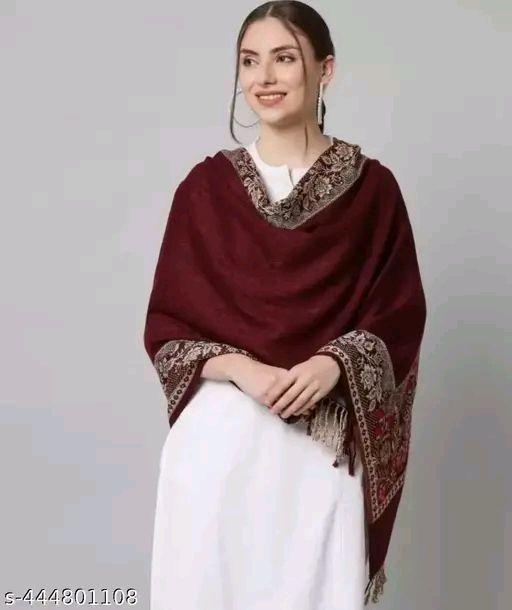
A shawl for men is no longer just a winter backup. In Pakistan, it has long been part of a man’s wardrobe, worn over a shalwar kameez on a cold morning or draped across the shoulders at a wedding. Today it is also a style statement. The right shawl adds warmth, polish and personality to almost any outfit. The wrong one can look bulky or out of place.
This guide explains what to look for in fabric, design, size and color, and which shawl suits which occasion.
Why Men Are Choosing Shawls Again
Shawls are practical. Unlike a heavy coat, a shawl layers easily over traditional or western clothing. It is light to carry, simple to adjust and works indoors and outdoors. For men who prefer shalwar kameez, waistcoats or kurta pajama, a shawl completes the look without hiding it.
A good shawl is also an investment. A quality piece can last for years and is often a thoughtful gift for fathers, husbands, brothers and friends.
Start With the Fabric
The fabric decides how warm, soft and durable your shawl will be.
Woolen shawl: A woolen shawl is the classic choice for cold weather. Pure wool traps heat well, holds its shape and suits daily wear. Merino wool is finer and less itchy, while thicker woolen weaves are better for deep winter in northern areas or early-morning commutes.
Pashmina: Pashmina is known for its softness and lightness. It gives excellent warmth without weight, and it looks refined, which makes it a favorite for formal events. It needs gentler care and costs more.
Wool blends: Blends of wool with silk or acrylic are more affordable and easier to maintain. They suit buyers who want a good look and comfort on a moderate budget.
Cotton and khaddar styles: For mild winters or transitional months, lighter chadars and cotton-wool mixes provide warmth without overheating.
When shopping, check the feel against your skin. A good woolen shawl should feel soft at the neck and wrists, not scratchy.
Pakistani Men Shawl Styles Worth Knowing
The Pakistani men shawl tradition is rich, and regional styles each have a character of their own.
Swati shawl: Originating from the Swat region, these shawls are known for warm, heavy weaves and traditional patterns. They suit casual wear and rugged winter days.
Kashmiri-style shawl: Famous for fine weaving and detailed embroidery, these are often chosen for weddings, Eid gatherings and special occasions. Subtle borders look elegant on men, while heavy embroidery is better saved for festive events.
Plain chadar-style shawl: A solid-color shawl with a clean finish is the most versatile option. It pairs well with almost any shalwar kameez and works for office, mosque, family visits and travel.
Check and plaid designs: These add visual interest and look youthful. They suit casual outfits and layering with western clothing such as jackets or sweaters.
If you want one shawl that does everything, choose a medium-weight plain or lightly bordered piece in a neutral tone.
Choosing a Shawl by Occasion
Weddings and formal events: Pick a fine, lightweight shawl in cream, charcoal, deep green, navy or maroon. Pashmina or a Kashmiri-style piece with a refined border looks sophisticated over a waistcoat and kurta. Keep the shawl neatly folded on one shoulder or draped evenly.
Eid and Jummah prayers: Choose a clean, calm design in white, beige, grey or soft earthy shades. A plain woolen shawl keeps you warm on cold mornings without drawing attention.
Office and business meetings: Go for solid colors, such as black, navy, grey or brown, in a thinner weave. It should look neat rather than bulky. This works best with shalwar kameez or a smart-casual outfit.
Everyday winter use: A thick woolen shawl in a practical color is ideal. Darker shades hide marks and need less frequent washing.
Travel and outdoor use: A large, warm shawl doubles as a scarf, blanket or extra layer. Choose durable fabric that resists wrinkles and wear.
Gifting: Neutral colors and classic patterns are safe choices. A well-packaged woolen shawl in a timeless design is rarely unwelcome.
Pay Attention to Size and Color
Most men’s shawls fall between 80 and 100 inches in length and about 40 inches in width. A longer shawl gives more draping options, while a shorter one feels lighter and neater.
For color, think about what is already in your wardrobe. Grey, black, brown, navy and beige go with almost everything. Bold colors, such as maroon, bottle green or mustard, can look striking but work best when the rest of the outfit is simple. If you own mostly white and cream shalwar kameez, a darker shawl creates a pleasing contrast.
How to Wear a Shawl With Confidence
- One shoulder drape: Fold the shawl lengthwise and place it over one shoulder. This is the most traditional and works for formal occasions.
- Both shoulders: Let the shawl rest evenly on both shoulders for warmth and a relaxed look.
- Wrapped style: Wrap it around the upper body and secure one end over the opposite shoulder. This suits cold weather and outdoor settings.
- Scarf style: Fold it smaller and loop it around the neck for casual outfits.
Whichever method you use, avoid over-bunching the fabric. A smooth, balanced drape looks better than a crowded one.
Caring for Your Shawl
A good woolen shawl will last longer with simple care. Dry clean or hand wash gently in cold water with a mild detergent. Avoid wringing or hanging it while very wet. Dry it flat, store it folded in a breathable cover and keep it away from moisture and moths between seasons.
Final Thoughts
The best shawl for men balances comfort, quality and occasion. Choose a woolen shawl for reliable winter warmth, a finer pashmina or Kashmiri-style piece for formal events, and a plain neutral design for everyday versatility. A well-chosen Pakistani men shawl does more than keep you warm. It reflects heritage, taste and attention to detail, and with the right choice, it will be one of the most useful pieces in your winter wardrobe.