
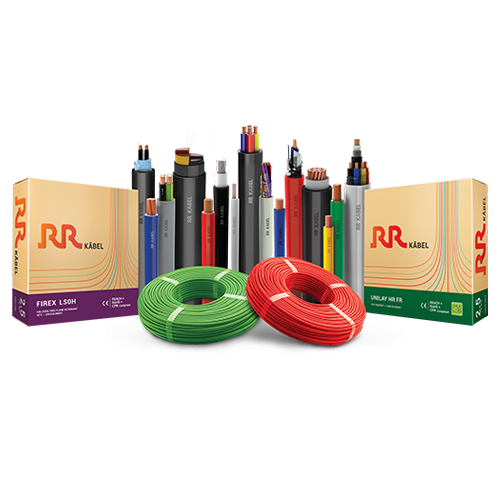
Manufacturing industries rely on electrical power, automation, machinery, and communication networks to maintain efficient production. Behind these systems are cables and wires that carry power, transmit signals, connect equipment, and support industrial communication. Although they may not always be visible, the quality and suitability of these components can have a direct impact on the reliability of a manufacturing operation.
LAPP offers a wide range of cable and connection solutions designed for industrial environments. With options for power transmission, automation, control, data communication, and demanding machine applications, LAPP cables and wires can help manufacturers address different electrical and mechanical requirements.
Reliable Power Transmission
Manufacturing facilities often operate heavy machinery, motors, control panels, conveyors, pumps, and other electrically powered equipment. These systems require dependable power connections to operate consistently.
Selecting cables according to the required voltage, current capacity, installation environment, and mechanical conditions can help support reliable power transmission. LAPP's industrial cable solutions are available in different constructions and specifications, allowing manufacturers to choose products suited to particular electrical applications.
Supporting Industrial Automation
Automation plays an important role in modern manufacturing. Sensors, controllers, motors, actuators, robotic systems, and other components need reliable connections to communicate and operate correctly.
LAPP cables can be used across various automation applications, helping connect control equipment and machinery. Suitable control and automation cables can support consistent signal transmission and help maintain communication between different parts of an automated production system.
This makes cable selection an important consideration when designing or upgrading automated manufacturing equipment.
Designed for Moving Machinery
Many industrial machines involve continuous or repetitive movement. Robotics, CNC machines, automated handling systems, and cable chains can place considerable mechanical stress on cables.
Using cables specifically designed for flexible or continuous movement can help address these challenges. LAPP provides cable solutions for applications where repeated bending and movement are expected. Selecting the appropriate flexible cable can help reduce premature wear and contribute to longer service life.
Better Industrial Communication
Modern factories increasingly use industrial networks to connect machines, controllers, sensors, and monitoring systems. Reliable data communication is essential for automation, machine monitoring, and production management.
LAPP offers industrial data and Ethernet cable solutions for different communication requirements. Depending on the application, manufacturers can consider factors such as transmission performance, shielding, flexibility, and environmental conditions when selecting network cables.
Reliable communication infrastructure can help connected equipment exchange information efficiently.
Protection Against Electromagnetic Interference
Industrial facilities can contain numerous sources of electromagnetic interference, including motors, drives, switching equipment, and power electronics. Interference can potentially affect sensitive control and communication signals.
Shielded cables can help minimize the impact of electromagnetic interference when correctly selected and installed. They are commonly considered for applications involving automation, instrumentation, control signals, and industrial data transmission.
The overall cable installation, including grounding and termination practices, should also be taken into account to achieve effective shielding performance.
Suitable for Demanding Environments
Manufacturing environments can expose cables to oil, moisture, chemicals, vibration, abrasion, heat, and mechanical stress. A cable designed for a standard indoor installation may not necessarily be suitable for such conditions.
LAPP provides different cable constructions and materials for various industrial environments. Manufacturers can select solutions based on factors such as temperature, chemical exposure, oil resistance, flexibility, mechanical stress, and installation method.
Choosing cables according to the actual environment can help improve reliability and reduce avoidable cable-related problems.
Helping Reduce Downtime
Unexpected cable failures can interrupt production and result in maintenance costs, equipment downtime, and delays. While cable selection cannot eliminate every possible failure, choosing a cable that matches the application can help reduce risks associated with inappropriate cable construction.
For example, using a cable designed for continuous movement in a robotic application can be more suitable than using a standard fixed-installation cable. Similarly, selecting cables with appropriate environmental resistance can help them withstand demanding operating conditions.
Supporting Long-Term System Performance
Cable infrastructure is often expected to operate for many years. Replacing cables can require equipment shutdowns and additional maintenance work. Therefore, selecting suitable products from the beginning can contribute to better long-term system performance.
Manufacturers should evaluate electrical specifications, mechanical requirements, environmental conditions, flexibility, shielding, and relevant standards before making a selection.
Conclusion
LAPP cables and wires can provide important benefits across manufacturing applications, from dependable power transmission and industrial automation to machine movement and data communication. Their suitability for different electrical, mechanical, and environmental conditions allows manufacturers to select solutions according to their specific requirements.
The key is not simply choosing a high-quality cable but choosing the right LAPP cable for the right application. By evaluating operating conditions and system requirements carefully, manufacturing industries can build more reliable electrical and communication infrastructure while supporting efficient and uninterrupted production.
How Schneider AvatarON Makes Light Switches and Electrical Sockets a Fashionable Home Upgrade
How Schneider Clipsal X Brings Style and Vibrancy to Everyday Light Switches